

Hard water in Knoxville is not uncommon. You notice white, chalky buildup around your kitchen faucet. The shower head does not spray the way it used to. Your dishes come out of the dishwasher with a cloudy film no matter how much rinse aid you use.
If any of that sounds familiar, you are probably dealing with hard water. And in Knoxville, you are not alone. Hard water is one of the most common water quality issues in East Tennessee, and most homeowners have no idea how much damage it can do to their plumbing over time.
The good news is that hard water in Knoxville is a well-understood problem with straightforward solutions. Here is what causes it, what it does to your pipes and fixtures, and what you can do about it.
What Is Hard Water and Why Is It So Common in Knoxville?
Hard water simply means your water supply contains a higher-than-average concentration of dissolved minerals, mainly calcium and magnesium. These minerals are not harmful to drink. In fact, they occur naturally and are perfectly safe. But they cause real problems for your plumbing, appliances, and fixtures.
Knoxville sits on top of limestone bedrock. As groundwater moves through that limestone, it picks up calcium and magnesium along the way. By the time it reaches your tap, it carries enough dissolved minerals to be classified as moderately hard to hard water.
This is not a flaw in the city’s water treatment. Municipal treatment removes contaminants that affect health, but it does not remove the dissolved minerals that cause hardness. That means nearly every home in Knoxville and the surrounding East Tennessee area deals with some degree of hard water.
How Hard Water in Knoxville Damages Your Plumbing
Hard water does not cause dramatic failures overnight. Instead, it does its damage slowly, over months and years, in ways that are easy to miss until something stops working.
Scale Buildup Inside Pipes
As hard water flows through your supply lines, dissolved minerals gradually deposit on the interior walls of the pipes. This is called scale. Over time, that layer of scale thickens and narrows the opening inside the pipe. Reduced pipe diameter means reduced water flow, which is one of the most common causes of low water pressure in Knoxville homes.
In severe cases, scale buildup can restrict a pipe enough to cause noticeable drops in pressure at individual fixtures or throughout the whole house.
Damage to Water Heaters
Your water heater takes the hardest hit from hard water. When hard water is heated, the dissolved minerals settle out faster and collect as sediment at the bottom of the tank. That sediment layer insulates the water from the heating element or burner, forcing the unit to work harder and run longer.
The result is higher energy bills, longer recovery times, and accelerated wear on the tank itself. Hard water is one of the biggest reasons water heaters in the Knoxville area fail before reaching their expected lifespan.
Tankless units are not immune either. Scale forms on the heat exchanger and reduces efficiency over time, which is why annual descaling is critical for tankless water heaters.
Fixture and Appliance Wear
Faucets, showerheads, dishwashers, and washing machines all suffer from hard water exposure. Mineral deposits clog aerators and spray nozzles, corrode valve seats, and shorten the life of seals and gaskets. If you find yourself replacing fixtures more often than you expected, hard water may be a contributing factor.
How Do You Know If Hard Water Is Affecting Your Home?
Most homeowners in Knoxville live with hard water for years without realizing it. Here are the signs that hard water is already taking a toll on your plumbing.
White or Chalky Deposits on Fixtures
The most visible sign of hard water is a white, crusty buildup on faucets, showerheads, and around drain openings. This is mineral scale, and it forms wherever water sits or evaporates. If you are constantly scrubbing it off, hard water is the cause.
Spotty Dishes and Cloudy Glassware
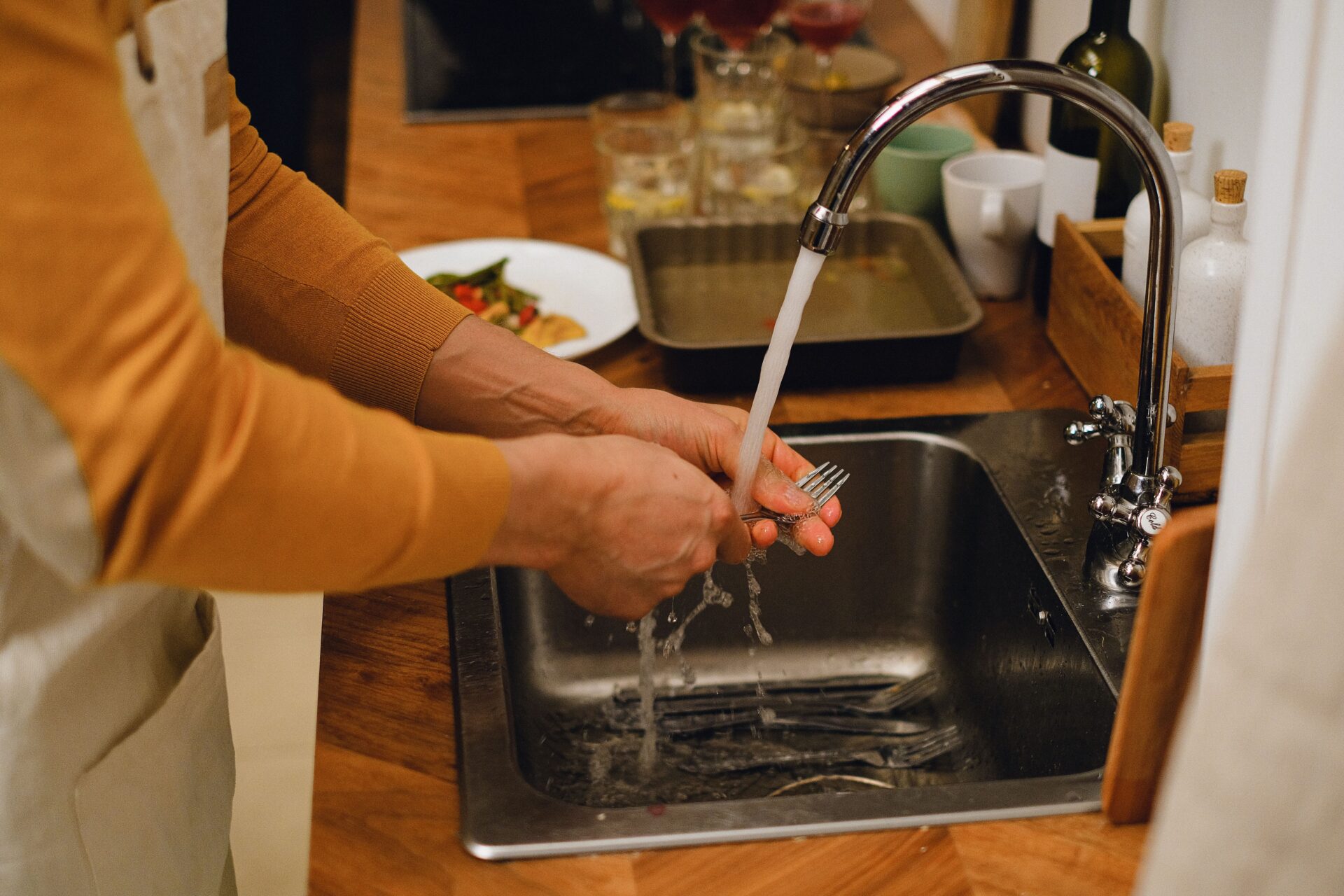
If your glasses come out of the dishwasher looking hazy or streaked, dissolved minerals in the water are leaving a residue behind. Extra rinse aid helps, but it is treating the symptom rather than the source.
Dry Skin and Dull Hair
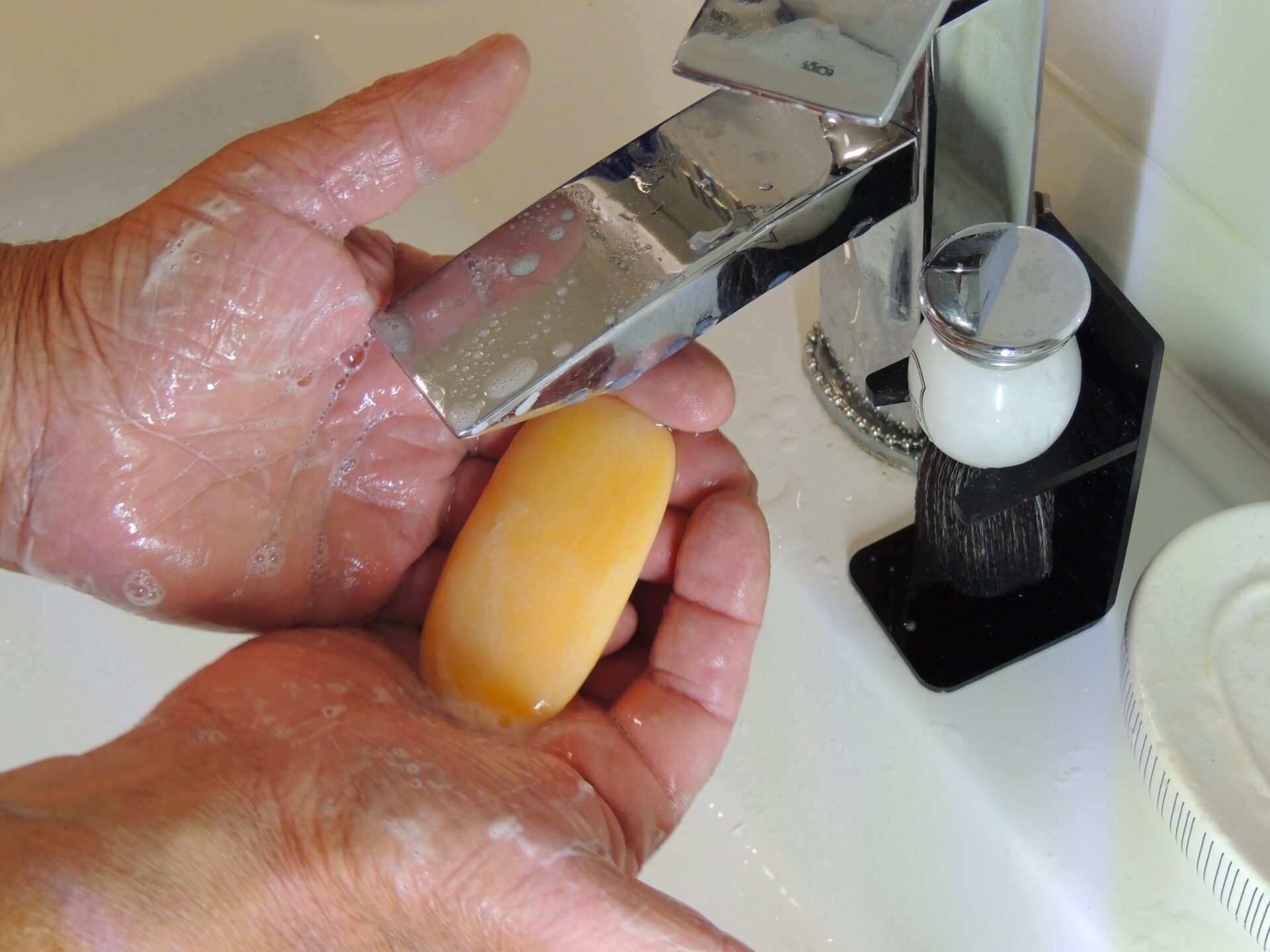
Hard water makes it harder for soap and shampoo to lather and rinse away completely. The leftover residue can leave your skin feeling dry and your hair looking flat or filmy, even right after a shower.
Stiff or Dingy Laundry
Clothes washed in hard water tend to feel stiff, look faded, and wear out faster. Minerals in the water interfere with detergent performance, so fabrics never get fully clean.
Recurring Plumbing Problems
If you are dealing with slow fixtures, reduced water pressure, frequent faucet repairs, or a water heater that does not seem to last as long as it should, hard water buildup may be the underlying cause connecting all of those issues.
What Can You Do About Hard Water in Knoxville?
You have a few options, depending on how severe the problem is and how much of your home you want to protect.
Clean Fixtures Regularly
For surface-level scale on faucets and showerheads, white vinegar works well. Soaking a showerhead in vinegar overnight dissolves most mineral buildup. Wiping down faucets after use also helps prevent deposits from hardening. This is maintenance, not a fix, but it keeps things looking and working better between deeper solutions.
Flush Your Water Heater Annually
Flushing the tank removes the sediment that hard water leaves behind. This is the single most important maintenance step for any water heater in a hard water area. For tankless units, an annual descaling flush clears mineral scale from the heat exchanger. In Knoxville, where the water is consistently hard, every six months is even better.
Install a Water Filtration or Softening System
A whole-house water filtration system is the most effective long-term solution for hard water in Knoxville. A water softener uses an ion exchange process to remove calcium and magnesium before the water reaches your pipes, fixtures, and appliances.
The benefits are significant. Softened water extends the life of your water heater, reduces scale buildup in your supply lines, keeps fixtures cleaner, and improves the performance of soap and detergent throughout the house.
A plumber can test your water hardness level, recommend the right system for your home size and water usage, and handle the installation so everything is connected properly and up to code.
When Should You Call a Plumber About Hard Water?
Surface cleaning and water heater flushes go a long way, but there are situations where professional help is the right move.
If your water pressure has been dropping gradually throughout the house, scale buildup inside your supply lines may be restricting flow. A plumber can assess whether the pipes need cleaning or whether the buildup has reached the point where water line repair or replacement makes more sense.
If your water heater is making popping or rumbling noises, losing efficiency, or producing discolored hot water, heavy sediment from hard water is likely the cause. A plumber can flush the tank, inspect the anode rod, and determine whether the unit can be brought back to full performance or whether it is time for a replacement.
If you are seeing hard water damage across multiple fixtures and appliances, a whole-house water softener or filtration system is worth considering. A plumber can test your water, explain your options, and install the system so it protects your entire home from the point of entry.
For homes in Knoxville that are already dealing with heavy scale in the pipes, a plumber can also check for related issues like corroded fittings, weakened joints, or early signs of pinhole leaks that hard water can accelerate.
Take Control of Hard Water in Your Knoxville Home
Hard water in Knoxville is not going away on its own. The limestone bedrock that shapes East Tennessee’s landscape also shapes the water that flows through your pipes every day. Left unchecked, that water slowly wears down your water heater, clogs your fixtures, and shortens the life of every appliance it touches.
The sooner you address it, the less damage it does. Whether that means staying on top of water heater flushes, installing a filtration system, or having a plumber inspect your pipes for existing scale damage, every step helps.
Hard Knox Plumbing helps homeowners across Knoxville, Farragut, Oak Ridge, Maryville, and the surrounding area deal with hard water problems every day. Our team can test your water, explain your options, and recommend the best solution for your home. Give us a call at (865) 765-8946 or schedule a visit online.
Frequently Asked Questions About Hard Water in Knoxville
Is Knoxville water considered hard?
Yes. Knoxville’s water supply passes through limestone bedrock, which adds dissolved calcium and magnesium. Most of the Knoxville area has moderately hard to hard water, which is enough to cause noticeable scale buildup on fixtures and inside plumbing systems over time.
Is hard water in Knoxville safe to drink?
Yes. The minerals that make water hard, mainly calcium and magnesium, are not harmful to your health. Hard water is a plumbing and appliance issue, not a safety concern. It does not require treatment for drinking purposes, though many homeowners choose to soften it for the benefits to their home.
What is the difference between a water softener and a water filter?
A water softener specifically removes the calcium and magnesium that cause hardness. A water filter removes a broader range of contaminants, which may include chlorine, sediment, and other impurities depending on the type of filter. Some systems combine both functions. A plumber can help you determine which setup makes sense for your water quality and goals.
How much does it cost to install a water softener in Knoxville?
The cost depends on the size of the system, the complexity of the installation, and your home’s existing plumbing. Most whole-house water softener installations in the Knoxville area fall between 1,500 and 4,000 dollars. A plumber can provide a specific estimate after evaluating your water hardness and household needs.
Can hard water damage my tankless water heater?
Yes. Hard water causes mineral scale to build up on the heat exchanger inside a tankless unit, which reduces efficiency and can eventually trigger error codes or system shutdowns. Annual descaling is recommended for all tankless water heaters in the Knoxville area, and every six months is even better for homes with particularly hard water.

Keep reading


