

Do you need to repipe your home? You turn on the bathroom faucet and the water comes out with a brownish tint. It clears up after a few seconds, but it happens again the next morning. Then you notice a small damp spot on the ceiling below the upstairs bathroom. A week later, the kitchen faucet pressure drops to a trickle.
None of these problems seem related at first. But when they start showing up around the same time, they often point to the same thing: your home’s pipes are aging out.
Many homes in the Knoxville area were built with piping materials that do not hold up forever. Galvanized steel, polybutylene, and even older copper systems all have a lifespan. When that lifespan runs out, patching individual leaks stops making sense, and it may be time to repipe your home. Here is how to know when you have reached that point.
What Does It Mean to Repipe your Home?
Repiping means replacing some or all of the water supply lines inside your home. It is not the same as repairing a single leak or replacing a short section of damaged pipe. A full repipe involves removing the old piping system and installing new lines throughout the house, from the main water supply connection to every fixture.
Most homeowners do not need to think about repiping until their home reaches a certain age or starts showing repeated plumbing failures. But once the problems become frequent enough, repiping is usually more cost-effective than continuing to repair a system that is failing in multiple places.
The decision to repipe your home depends on the type of pipe material, how old it is, the condition of the existing lines, and how often problems are recurring.
What Kind of Pipes Are in Older Knoxville Homes?
The type of pipe material in your home tells you a lot about how much life is left in the system. Here are the most common materials found in Knoxville homes and the problems each one tends to develop.
Galvanized Steel
Galvanized steel pipes were the standard in homes built from the 1920s through the 1960s. They are steel pipes coated with a layer of zinc to resist corrosion. The problem is that the zinc coating wears away over time, and once it does, the steel underneath starts to rust from the inside.
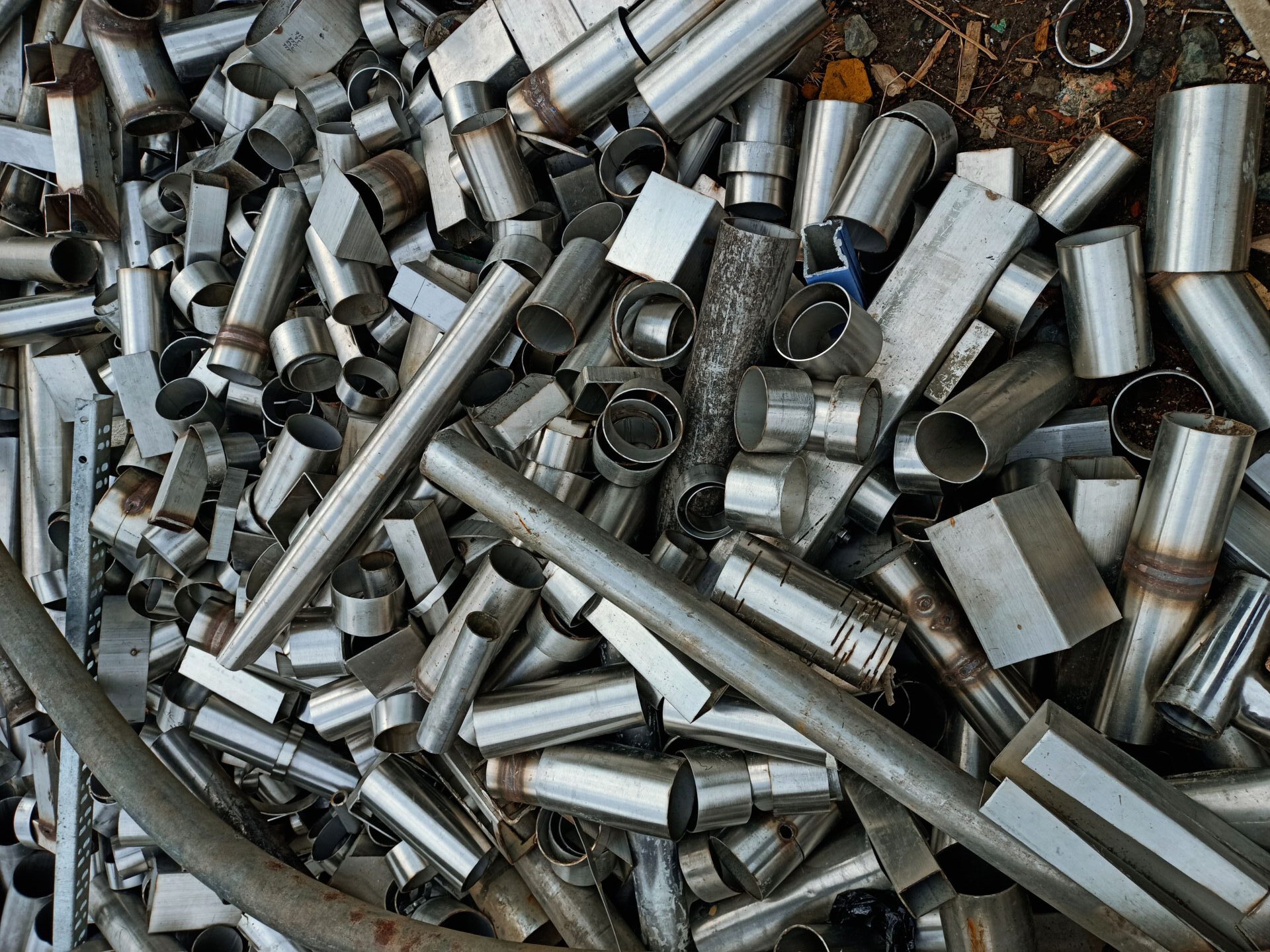
That internal corrosion restricts water flow, produces rusty or discolored water, and eventually leads to leaks. If your Knoxville home still has galvanized supply lines, those pipes are likely well past their useful life. Galvanized pipes typically last 40 to 50 years, which means any home built before the 1980s with original galvanized plumbing is operating on borrowed time.
Polybutylene
Polybutylene pipes were widely used in homes built between the late 1970s and the mid-1990s. They were marketed as a modern, affordable alternative to copper. Unfortunately, polybutylene reacts with chlorine and other oxidants in municipal water supplies, which causes the pipes to become brittle and crack from the inside out.
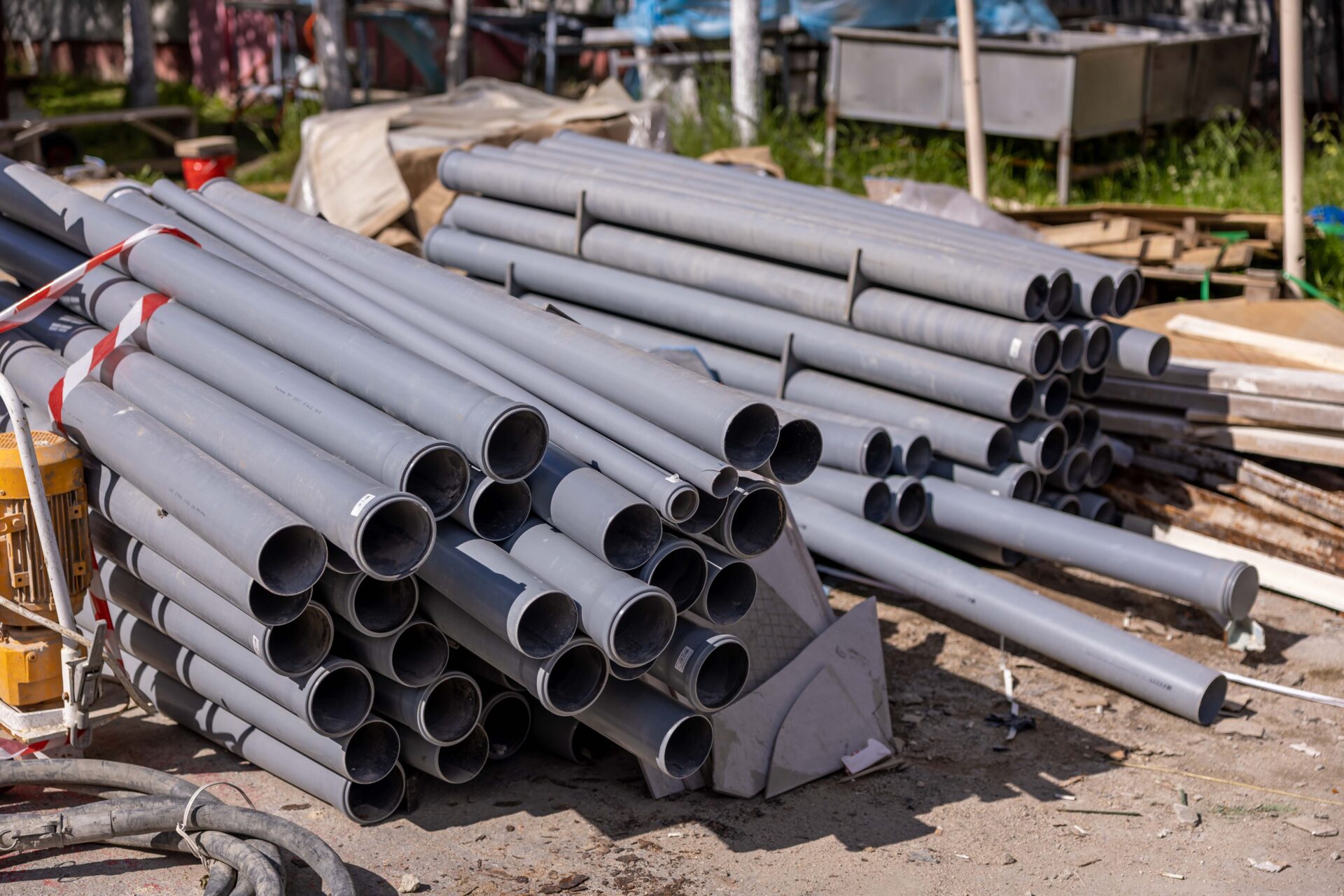
Polybutylene failures are unpredictable. A pipe can look fine on the outside and still be deteriorating internally. Many insurance companies and home inspectors flag polybutylene plumbing as a risk, and some insurers will not cover homes that still have it. If your Knoxville home was built during that era, it is worth having a plumber confirm what material your supply lines are made of.
Copper
Copper has been the go-to pipe material for decades and generally performs well. A properly installed copper system can last 50 years or more. However, copper is not immune to problems. Knoxville’s hard water can accelerate corrosion in copper pipes, especially at joints and fittings. Pinhole leaks are a common copper issue in areas with aggressive water chemistry.

If your home has copper pipes and you are seeing small leaks appearing in different locations, the system may be reaching the end of its lifespan.
Warning Signs That You May Need to Repipe Your Home
Pipe failure rarely happens all at once. Most of the time it shows up gradually, through a pattern of smaller problems that keep coming back. Here is what to watch for.
Discolored Water
If your water runs brown, yellow, or rust-colored, especially when you first turn on a faucet in the morning, corroded pipes are likely shedding rust and sediment into the water. Occasional discoloration from municipal work is normal. Persistent discoloration from your own plumbing is not.
Frequent Leaks
One leak is a repair. Two or three leaks in the same year, especially in different parts of the house, suggest that the pipe material itself is failing, not just a single weak spot. When the whole system is degrading at the same rate, new leaks will keep appearing no matter how many you patch.
Low Water Pressure Throughout the House
If water pressure has dropped at multiple fixtures and the city supply is fine, internal corrosion and scale buildup may be narrowing the pipes. This is especially common with galvanized steel, where decades of rust accumulation can choke the inside of the pipe down to a fraction of its original diameter.
Visible Corrosion on Exposed Pipes
Check the exposed pipes in your basement, crawl space, or utility area. If you see green patina on copper, flaking rust on steel, or white mineral deposits at joints and fittings, those are signs that the pipes are corroding. What you can see on the outside is usually milder than what is happening inside.
Your Home Was Built Before 1990
Age alone does not mean you need to repipe. But if your home was built before 1990 and still has its original supply lines, those pipes are at least 36 years old. Combined with any of the symptoms above, age becomes a strong indicator that the system is nearing the end of its service life.
What Does the Repiping Process Look Like?
Repiping sounds like a major project, and it is, but it is also more manageable than most homeowners expect.
A plumber starts with an inspection of the existing system to determine the scope of the work. In some cases, only part of the home needs to be repiped. In others, a full replacement is the better long-term investment.
Most repiping jobs in Knoxville homes involve replacing old supply lines with modern PEX tubing or new copper. PEX is flexible, resistant to corrosion and scale, and faster to install than rigid pipe, which often means less time and less disruption.
The plumber will need to access the pipes behind walls and under floors, which may require cutting small openings in drywall. A good plumber plans the route to minimize these openings and patches or marks them for repair afterward.
For a typical Knoxville home, a full repipe usually takes one to three days depending on the size of the house, the number of fixtures, and how accessible the existing plumbing is. Water is shut off during the work, but the plumber can usually restore service by the end of each working day.
Once the new lines are in, you get clean water, consistent pressure, and a plumbing system that should serve the home reliably for decades.
When Should You Call a Plumber About Repiping?
You do not need to wait for a pipe to burst before calling a plumber. In fact, getting ahead of the problem is the whole point.
If your home has galvanized steel or polybutylene pipes, a plumber can inspect the system and tell you how much life is left. Even if repiping is not urgent today, knowing the condition of your pipes helps you plan and budget for the work before an emergency forces your hand.
If you are dealing with repeated leaks, rusty water, or declining water pressure and your home is more than 30 years old, those symptoms together are a strong signal that the supply lines need attention. A plumber can confirm whether targeted repairs will hold or whether a full repipe is the smarter investment.
If you are buying or selling a home in the Knoxville area, knowing the pipe material and condition is important. Polybutylene in particular can affect insurance eligibility and resale value. A plumber can identify the material and provide an honest assessment.
And if a pipe has already failed and caused water damage, do not wait. Turn off your main water shutoff and call for emergency service right away. The faster you stop the water, the less damage your home sustains.
Protect Your Knoxville Home with the Right Pipes
The pipes behind your walls do their job quietly for decades. But no pipe material lasts forever, and the combination of age, Knoxville’s hard water, and daily use eventually takes its toll. If you are seeing the warning signs, addressing the problem now is always less expensive and less stressful than dealing with a major failure later.
Whether you need a pipe inspection, a targeted repair, or a full repipe, Hard Knox Plumbing can help. Our team works with homeowners across Knoxville, Farragut, Oak Ridge, Hardin Valley, Maryville, and the surrounding East Tennessee area. We will inspect your system, explain what we find, and recommend the best path forward for your home. Call us at (865) 765-8946 or schedule a visit online.
Frequently Asked Questions About Repiping a Home in Knoxville
How much does it cost to repipe a house in Knoxville?
The cost depends on the size of the home, the number of fixtures, the pipe material you are replacing, and the accessibility of the existing plumbing. Most whole-house repipes in the Knoxville area range from 4,000 to 15,000 dollars. A plumber can give you a more accurate estimate after inspecting your system.
How long does a whole-house repipe take?
For a typical Knoxville home, a full repipe usually takes one to three days. Larger homes or homes with complex layouts may take longer. A plumber can usually restore water service by the end of each working day so you are not without water overnight.
Do I need to repipe my whole house, or can I replace just part of it?
It depends on the condition of the existing pipes. If only one section is failing and the rest of the system is in good shape, a partial repipe may be the right call. If the entire system is the same age and material, replacing all of it at once is usually more cost-effective than paying for multiple repairs over the next few years.
What pipe material is best to repiping your home?
PEX tubing and copper are the two most common choices. PEX is flexible, corrosion-resistant, and typically less expensive to install. Copper is durable and time-tested but costs more. Both are excellent options for Knoxville homes. A plumber can help you choose based on your budget and preferences.
Will repiping damage my walls?
Some drywall openings are usually necessary to access the pipes. A good plumber plans the route to minimize the number and size of these openings. The openings are typically patched or clearly marked for a drywall contractor to finish. The disruption is temporary, and the result is a plumbing system that should last for decades.

Keep reading


