

Why Does Water Heater Maintenance Matter?
Your water heater is one of the hardest-working appliances in your home. It runs every single day, heating water for showers, dishes, laundry, and hand washing. Over time, that constant use takes a toll.
Knoxville has moderately hard water thanks to the limestone that is common throughout East Tennessee. Dissolved minerals in the water, mainly calcium and magnesium, settle to the bottom of your water heater tank as sediment. As that layer of sediment builds up, several things happen.
First, the sediment acts as an insulator between the burner or heating element and the water. Your water heater has to work harder and run longer to heat the same amount of water. That means higher energy bills.
Second, the extra heat trapped beneath the sediment accelerates wear on the bottom of the tank. Over time, that leads to cracks, leaks, and eventual tank failure.
Third, sediment can clog the drain valve and make future maintenance more difficult. It can also reach the hot water outlets and cause reduced flow or discolored water at your faucets.
Regular water heater maintenance keeps sediment under control, extends the life of the tank, and helps the unit run as efficiently as possible. Skipping it is one of the most common reasons water heaters fail years ahead of schedule.
How Do You Know Your Water Heater Needs Maintenance?
Your water heater will usually give you a few signs before something goes seriously wrong. Here is what to watch for.
Rusty or Discolored Hot Water
If your hot water has a brownish or reddish tint, sediment or rust is likely building up inside the tank. This is especially common in homes with hard water and older tanks that have not been flushed recently.
Unusual Noises
Popping, rumbling, or cracking sounds from your water heater are caused by steam bubbles forming beneath a layer of sediment at the bottom of the tank. The thicker the sediment layer, the louder the noise. If your water heater is getting noisy, a flush is overdue.
Inconsistent Water Temperature
If your showers start hot and then go lukewarm quickly, or the water temperature fluctuates without you touching the handle, the heating element or burner may be struggling to keep up. Sediment buildup is often the cause.
Longer Recovery Times
Recovery time is how long it takes your water heater to reheat a full tank after the hot water is used up. If that window seems to be getting longer, the unit is probably losing efficiency due to sediment or a failing component.
A Spike in Energy Bills
A water heater that is working harder than it should will use more gas or electricity. If your energy bills have been creeping up without an obvious reason, your water heater may need attention.
How to Maintain Your Water Heater
Some water heater maintenance tasks are safe for homeowners to do themselves. Others are best left to a professional. Here is a breakdown of what is involved.
Flush the Tank Once a Year
Flushing your water heater removes the sediment that settles at the bottom of the tank. This is the single most important maintenance task for a standard tank water heater.
To flush the tank, turn off the power or gas supply to the unit. Connect a garden hose to the drain valve at the bottom of the tank and run it to a floor drain or outside. Open the drain valve and let the water flow until it runs clear. Close the valve, remove the hose, and restore power.
If the water coming out is thick with sediment or the valve is difficult to open, the tank may not have been flushed in a long time. In that case, it is a good idea to have a plumber handle the job to avoid damaging the valve.
Check the Temperature and Pressure Relief Valve
The T&P relief valve is a safety device that releases pressure if the tank gets too hot or builds up too much pressure. It is usually located on the side or top of the tank with a pipe running down to the floor.
Once a year, lift the lever on the valve briefly and let it snap back. You should see a small burst of water come out of the discharge pipe. If nothing comes out or the valve leaks afterward, it may need to be replaced.
Inspect the Anode Rod
The anode rod is a metal rod inside the tank that attracts corrosive elements in the water, protecting the tank lining from rust. Over time, the rod corrodes and eventually stops working. Once the rod is spent, the tank itself starts to corrode.
Checking the anode rod requires removing it from the top of the tank, which can be difficult without the right tools. Most plumbers recommend inspecting the rod every two to three years and replacing it if it is heavily corroded or worn down to the wire core.
Adjust the Temperature Setting
Most manufacturers set water heaters to 140 degrees at the factory. The Department of Energy recommends 120 degrees for most households. Lowering the temperature reduces energy use, slows sediment buildup, and reduces the risk of scalding.
The temperature dial is usually on the front of a gas water heater or behind an access panel on an electric unit.
Is Water Heater Maintenance Different for Tankless Units?
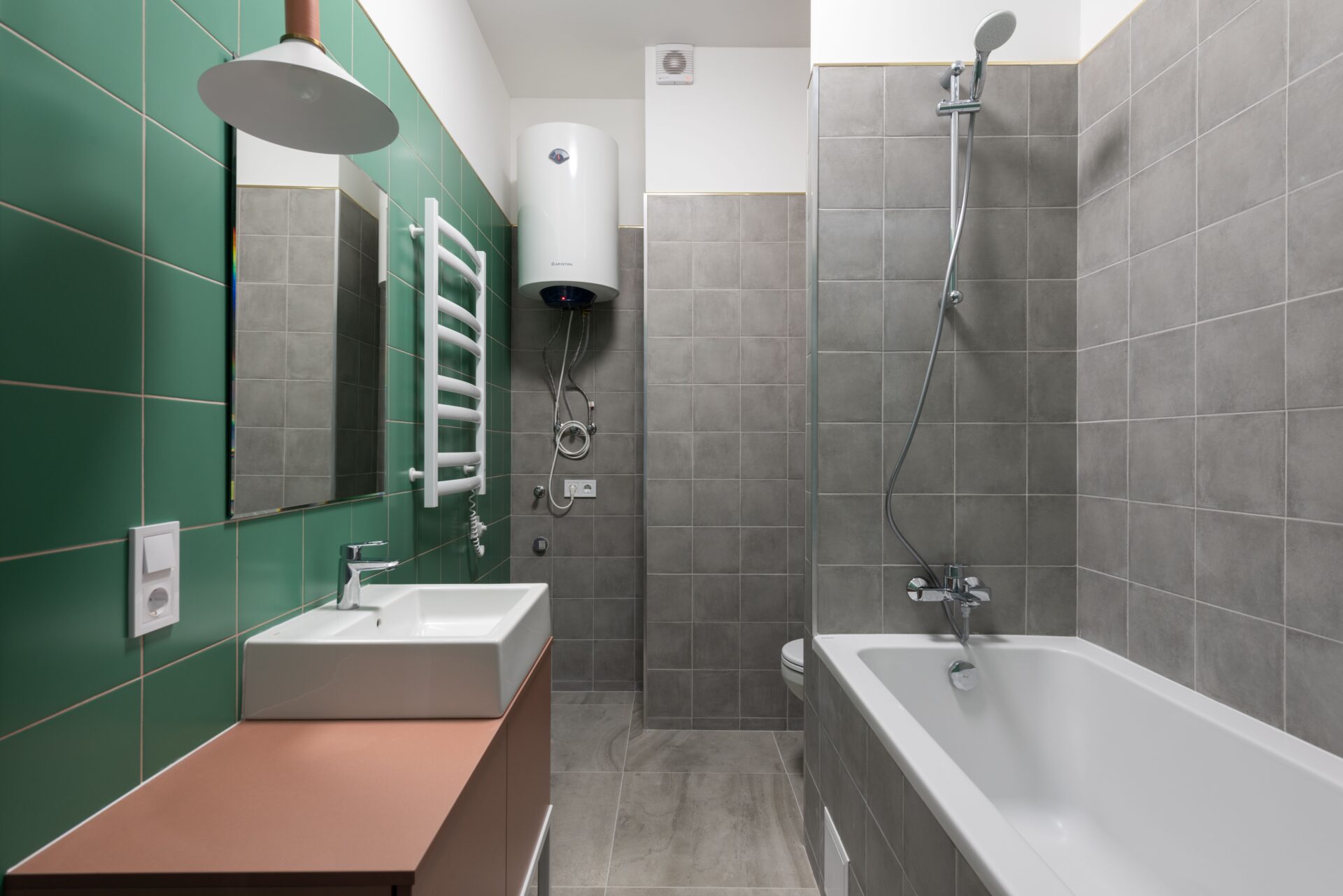
Yes. Tankless water heaters do not store water, so sediment buildup works differently. Instead of settling at the bottom of a tank, mineral scale forms on the heat exchanger inside the unit. Over time, that scale reduces heating efficiency and can eventually block water flow.
Tankless units need to be descaled, or flushed with a vinegar solution, at least once a year. In areas like Knoxville with moderately hard water, flushing every six months is a safer bet. The process involves circulating a cleaning solution through the unit using a small pump and a set of hoses.
Most homeowners can learn to flush a tankless unit themselves with the right kit, but the first time is usually easier with a plumber walking you through it. A professional flush also includes inspecting the inlet filter, checking the venting, and testing for error codes.
Tankless water heaters can last 20 years or more with proper care. Skipping maintenance is the fastest way to shorten that lifespan and trigger expensive repairs to the heat exchanger.
When Should You Call a Plumber for Water Heater Maintenance?
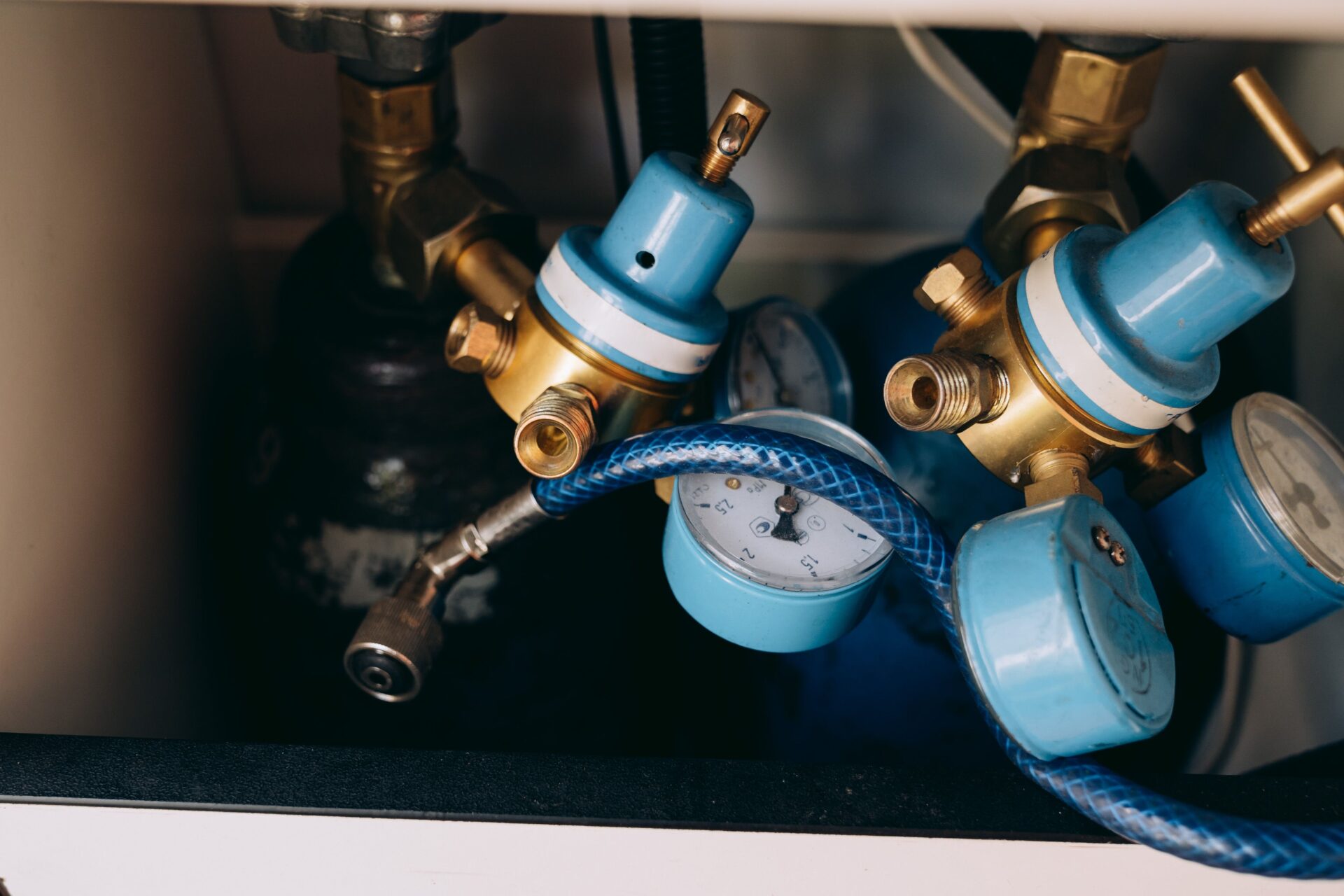
Flushing a standard tank water heater is a reasonable project for most homeowners. But some tasks call for a licensed plumber.
If your water heater has never been flushed or has not been flushed in several years, the drain valve may be partially clogged with sediment. Forcing it open can damage the valve and lead to a leak. A plumber has the tools and experience to handle a stubborn flush safely.
Anode rod inspections and replacements require specific wrenches and enough clearance above the tank to remove the rod. If your water heater is in a tight closet or low-ceiling space, a plumber can handle the access.
If you notice any of these situations, call a professional before attempting maintenance on your own:
- Water pooling around the base of the tank
- A strong metallic or rotten egg smell coming from the hot water
- Visible corrosion on the tank, fittings, or pipes
- An error code on a tankless unit that will not clear
- A T&P relief valve that will not stop dripping after being tested
Hard Knox Plumbing offers water heater maintenance as part of our Membership Club. Members get scheduled maintenance visits so you never have to remember to book one yourself. It is the easiest way to stay on top of water heater maintenance and catch small issues before they turn into big ones.
Keep Your Water Heater Running Longer in Knoxville
Water heater maintenance is not complicated, and it does not take much time. But it makes a real difference in how long your unit lasts, how efficiently it runs, and how reliably it delivers hot water when you need it.
Flush your tank once a year. Test your T&P relief valve. Have the anode rod checked every few years. Keep the temperature set to 120 degrees. Those steps alone will help your water heater perform better and last longer.
If your water heater is showing signs of trouble, or if it has been a while since anyone looked at it, our team at Hard Knox Plumbing can help. We service both standard and tankless water heaters across Knoxville, Farragut, Maryville, Oak Ridge, and the surrounding East Tennessee area. Call us at (865) 765-8946 or schedule a maintenance visit online.
Frequently Asked Questions About Water Heater Maintenance
How often should you flush a water heater?
Most manufacturers and plumbers recommend flushing a standard tank water heater once a year. If your home has hard water, which is common in Knoxville and East Tennessee, flushing every six months can help prevent heavy sediment buildup.
How long does water heater maintenance take?
A basic maintenance visit, including a tank flush, T&P valve test, anode rod inspection, and connection check, typically takes about an hour. A tankless descaling takes about the same.
Can water heater maintenance lower my energy bill?
Yes. Sediment buildup forces your water heater to work harder, which increases energy consumption. A clean tank heats water more efficiently, which can noticeably reduce your gas or electric bill.
How do I know if my anode rod needs to be replaced?
A plumber can remove the rod and inspect it. If the rod is heavily corroded, coated in calcium, or worn down to the wire core, it should be replaced. Most anode rods last three to five years, but hard water can shorten that lifespan.
Is it worth maintaining an old water heater, or should I just replace it?
If your water heater is less than eight years old and in decent condition, maintenance is absolutely worth it. If the unit is over 10 years old and showing signs of corrosion, leaking, or frequent problems, your money may be better spent on a new water heater installation. A plumber can help you weigh the options.

Keep reading


