

You flip the switch on your garbage disposal, and instead of the usual hum, you hear a low grinding noise followed by nothing. Water pools in the sink. Food scraps sit there, refusing to go anywhere. If this scene plays out in your Knoxville kitchen more than once a month, your garbage disposal keeps clogging for a reason, and it is probably fixable.
A garbage disposal that clogs repeatedly is telling you something. The problem is almost never the disposal itself. In most cases, it comes down to what goes into the drain, how the unit gets used, or a buildup that has been forming over weeks or months. The good news is that once you understand the cause, you can stop the cycle.
This article breaks down the most common reasons a garbage disposal clogs, walks you through what you can do at home, and explains when it is time to call in a plumber.
What Causes a Garbage Disposal to Keep Clogging?
Garbage disposals are tough little machines, but they have limits. They are designed to grind soft food waste into small particles that flush through your plumbing with water. Problems start when the wrong materials go in or when the unit does not get enough water to clear the drain line.
Grease is one of the biggest offenders. When you pour cooking oil or bacon fat down the drain, it feels like a liquid. Once it cools inside your pipes, though, it hardens into a sticky coating that traps food particles. Over time, this greasy layer narrows the pipe and slows drainage to a crawl. According to the Environmental Protection Agency, fats, oils, and grease are responsible for roughly 47% of all sanitary sewer overflows in the United States. Your kitchen drain faces the same risk on a smaller scale.
Starchy and fibrous foods cause trouble too. Pasta, rice, and potato peels absorb water and expand after grinding, forming a paste that sticks to pipe walls. Celery strings, corn husks, and artichoke leaves wrap around the disposal blades and create a tangled mess that blocks the grinding chamber.
Putting too much food in at once overwhelms the motor. The disposal can only handle small amounts at a time. When you shove a full plate of scraps down the drain, the blades cannot grind everything efficiently, and the excess packs into the drain opening.
How Does a Lack of Water Contribute to Garbage Disposal Clogs?
Water is what carries ground food particles through the drain line and into your home plumbing system. Without a strong flow of cold water running before, during, and after you use the disposal, pulverized food sits in the pipe instead of moving along.
Cold water matters for a specific reason. It keeps any grease or fat in solid form so the blades can chop it up and flush it away. Hot water melts grease inside the disposal, allowing it to travel further into the pipe where it cools and solidifies in a spot you cannot reach.
A good habit is to run cold water for about 15 seconds before turning on the disposal, keep it running the entire time, and let it flow for another 15 to 20 seconds after you flip the switch off. That extra flush makes a real difference.
Can the Wrong Foods Ruin a Garbage Disposal?
They absolutely can. Some foods should never go into a garbage disposal, no matter how powerful the unit is.
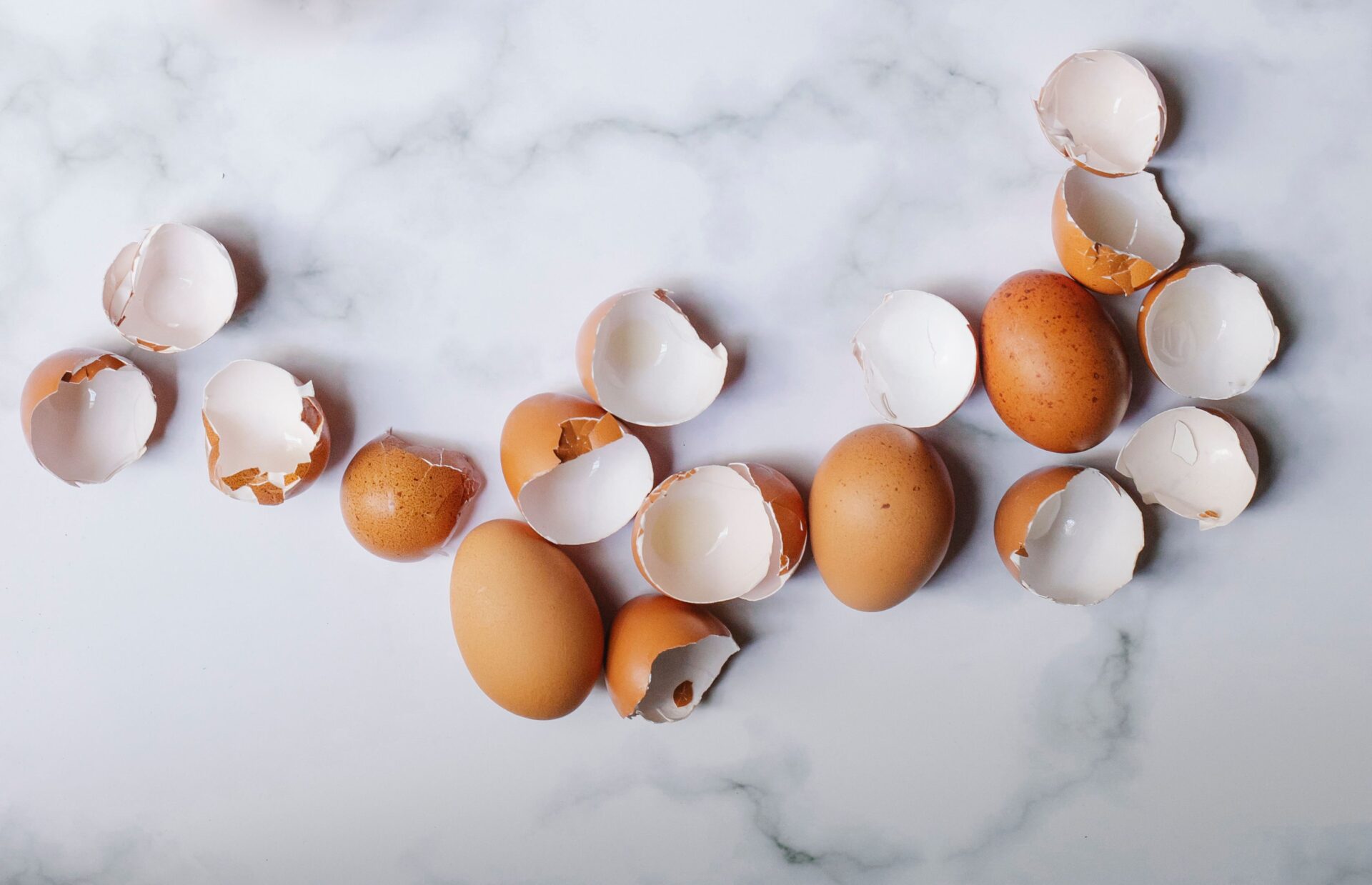
Coffee grounds are a sneaky culprit. They look fine going down the drain, but they accumulate in pipes like wet sand and form dense blockages. Eggshells are another common mistake. The membrane inside the shell wraps around the blades, and the gritty shell fragments mix with grease to form a stubborn sludge.
Bones, fruit pits, and other hard items can damage the grinding components or jam the flywheel. Small chicken bones are generally fine, but anything larger than that belongs in the trash. The same goes for non-food items like twist ties, rubber bands, or bottle caps that sometimes fall into the sink unnoticed.
Knoxville homeowners who cook regularly know how tempting it is to treat the disposal like a trash can. Resisting that urge saves you from repeated clogs and expensive repair bills.
What Are Signs That a Clog Is Getting Worse?
A single slow drain does not always mean disaster. Repeated slow drainage, on the other hand, points to a growing blockage.
Standing water in the sink after running the disposal is one of the clearest warning signs. A foul smell rising from the drain is another. That odor comes from food particles trapped in the pipe, decomposing in the warm, moist environment inside your plumbing.
If the disposal hums but does not spin, something is jamming the blades. You might also notice water backing up into the other side of a double sink, which means the clog has moved past the disposal and into the shared drain line. At that point, a plunger or ice cube trick is not going to cut it.
What Can You Do at Home to Fix a Clogged Garbage Disposal?
Start by turning the disposal off and never putting your hand inside the unit. Use a flashlight to look for visible obstructions like a bone fragment or utensil that may have fallen in. A pair of long tongs or needle-nose pliers can remove the object safely.
If nothing is visibly blocking the blades, try resetting the disposal. Most units have a small red reset button on the bottom. Press it, run cold water, and turn the disposal on again. This clears minor electrical trips caused by temporary overloads.
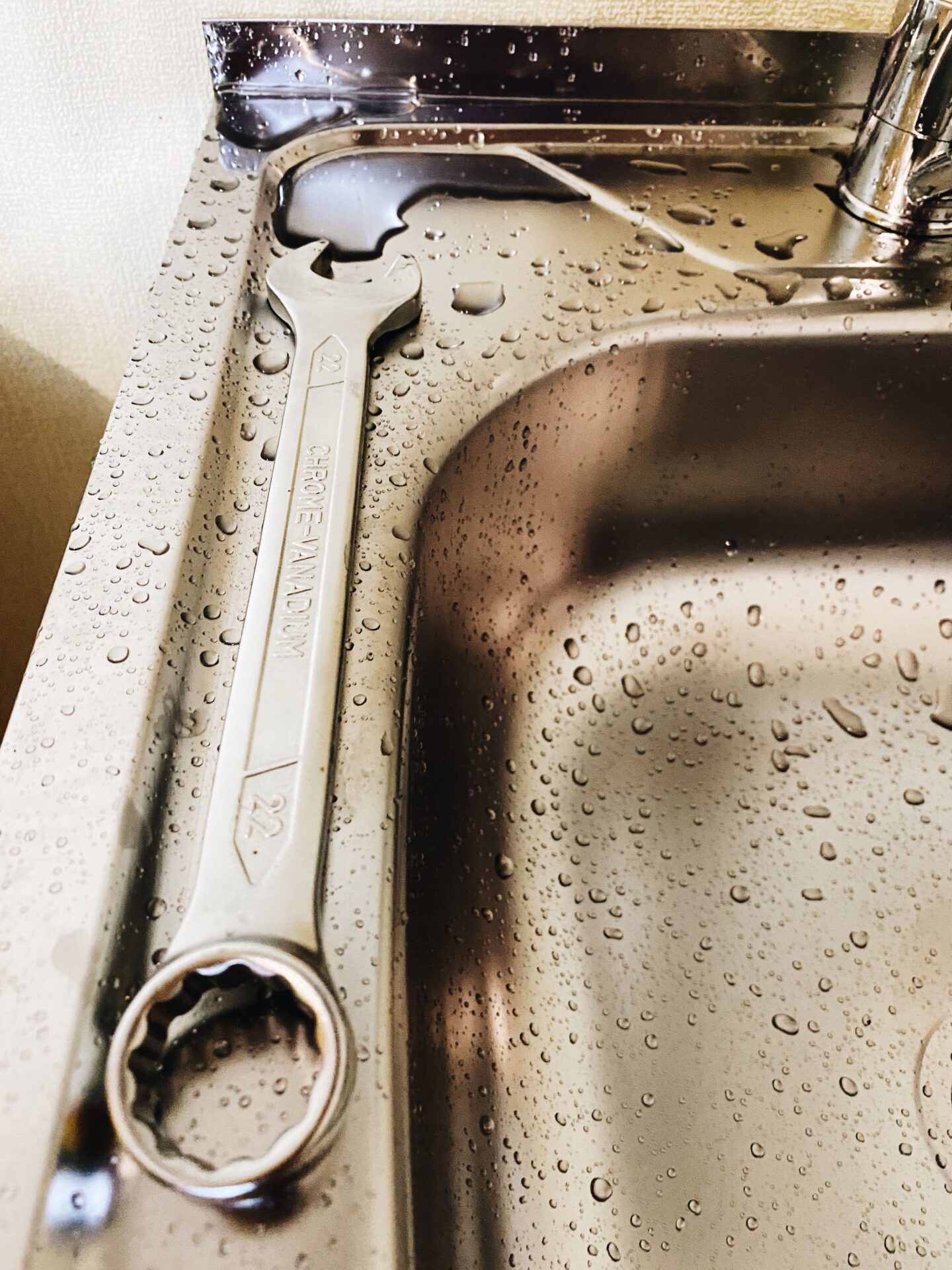
An Allen wrench fits into the hex socket on the bottom of most disposals. Turning it back and forth manually rotates the blades and can free a stubborn jam. After loosening the blockage, run cold water and test the unit.
For clogs further down the drain line, a mixture of baking soda and vinegar can help break up soft buildup. Pour half a cup of baking soda into the drain, follow it with a cup of white vinegar, and let it fizz for 10 to 15 minutes before flushing with cold water. This works well for mild clogs but will not clear a hardened grease blockage deep in the pipe.
When Should You Call a Plumber for a Clogged Garbage Disposal?
If you have tried the reset button, the Allen wrench, and basic cleaning and the disposal still clogs or drains slowly, the problem has moved past the point of a DIY fix.
Recurring clogs within a short period often mean there is a blockage deeper in the drain line that a disposal reset cannot reach. A plumber has the tools and camera equipment to locate the obstruction and clear it without damaging your pipes.
A disposal that leaks from the bottom or makes a loud metallic grinding noise may need replacement rather than repair. Most garbage disposals last about 8 to 15 years, depending on usage and maintenance. If your unit is near the end of that range and keeps giving you trouble, replacing it is usually the more cost-effective choice.
Hard Knox Plumbing helps Knoxville homeowners with garbage disposal repairs, replacements, and drain cleaning. Our team can inspect the issue, walk you through your options, and handle the repair the right way. Give us a call at (865) 765-8946 or visit us at 3414 Henson Rd C, Knoxville, TN 37921.
How Can You Prevent Your Garbage Disposal from Clogging?
Prevention is simpler than most people expect. A few habits keep your disposal running smoothly for years.
Run cold water every time you use the disposal. Feed food scraps in slowly rather than dumping everything at once. Scrape plates into the trash before rinsing them in the sink so only small particles reach the drain.
Once a week, grind a handful of ice cubes in the disposal. The ice knocks loose small bits of buildup on the blades and inside the grinding chamber. A few citrus peels thrown in afterward freshen the drain and help cut through residual grease.
Keep grease out of the drain entirely. Pour cooking oil into a container and toss it in the trash once it cools. Wipe greasy pans with a paper towel before washing them. These small steps prevent the greasy film that causes most disposal clogs in the first place.
Frequently Asked Questions
Why Does My Garbage Disposal Clog Every Week?
Weekly clogs point to a habit issue or a partial blockage in the drain line. Grease buildup, overloading the disposal, or running it without enough water are the most common causes. If changing your habits does not help, a plumber can inspect the drain line for deeper obstructions.
Is It Safe to Use Chemical Drain Cleaners in a Garbage Disposal?
Chemical drain cleaners can corrode your disposal components and damage pipes over time. They also produce toxic fumes in an enclosed sink area. A safer alternative is baking soda and vinegar or professional drain cleaning from a licensed plumber.
How Long Should a Garbage Disposal Last Before It Needs Replacing?
Most garbage disposals last between 8 and 15 years with proper care. If your unit jams frequently, leaks, or no longer grinds food effectively, replacement is worth considering. A plumber can tell you if a repair makes more sense than installing a new unit.
Can Ice Cubes Sharpen Garbage Disposal Blades?
Garbage disposals use impellers rather than sharp blades, so there is nothing to sharpen. Ice cubes do help clean the grinding components by knocking off stuck food particles and grease buildup. Running ice through the disposal every week or two is a simple maintenance step.
What Foods Should Never Go in a Garbage Disposal?
Avoid putting grease, cooking oil, coffee grounds, eggshells, pasta, rice, potato peels, fibrous vegetables like celery, bones larger than a small chicken bone, and any non-food items into your disposal. These materials clog drains, jam blades, and shorten the life of the unit.

Keep reading


