

A heavy summer thunderstorm rolls through Knoxville, and the next morning you notice a damp smell coming from your basement or crawl space. The carpet feels soft in one corner. There is a faint waterline on the wall that was not there before.
For many East Tennessee homeowners, this is the moment they start wondering about a sump pump. Knoxville averages around 50 inches of rain per year, and summer storms can dump several inches in a matter of hours. All of that water has to go somewhere, and if your home sits in a low spot or your soil does not drain well, it often ends up under your house.
Here is how to tell if your home needs one, what your options look like, and what to expect from the installation process.
What Is a Sump Pump and How Does It Work?
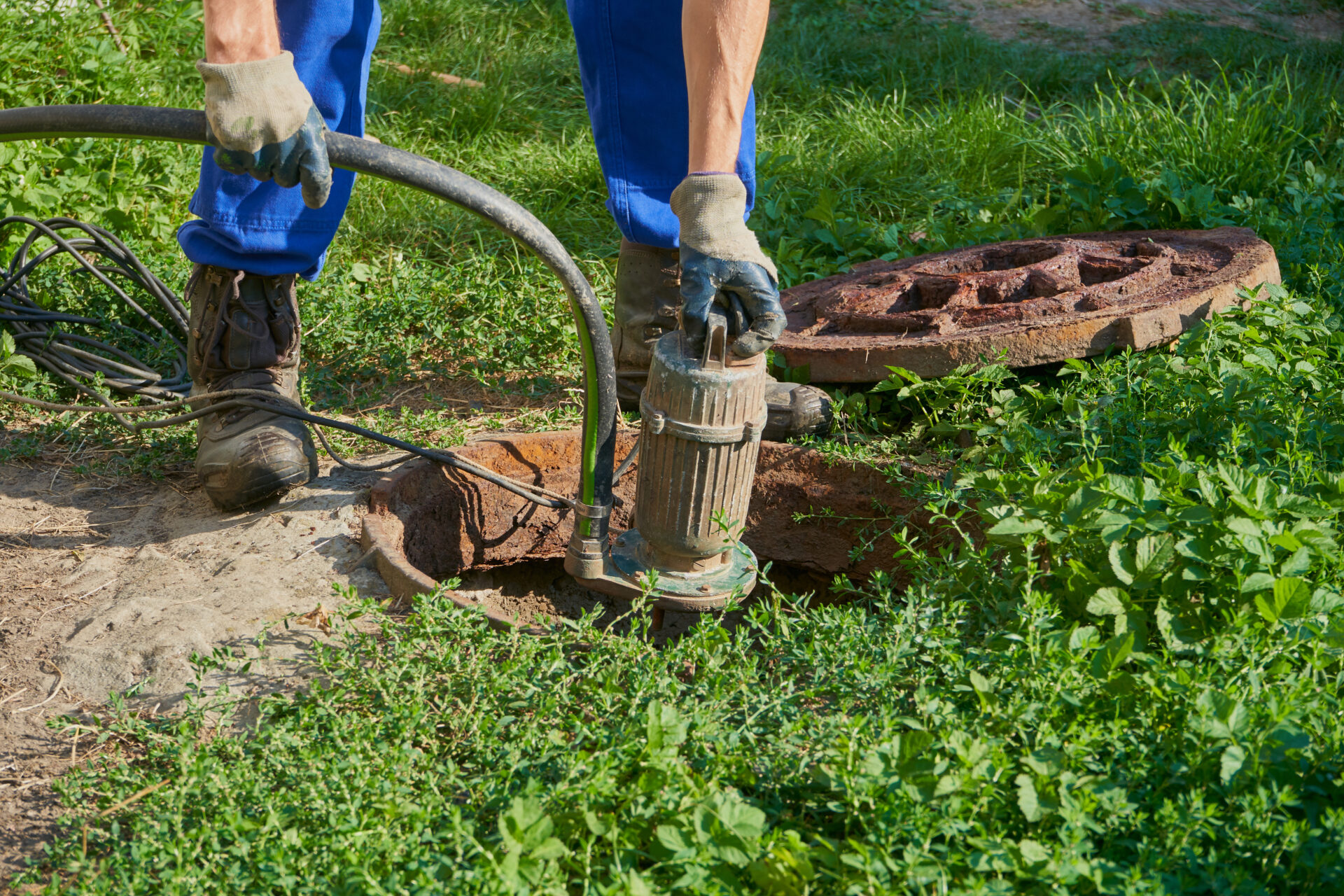
A sump pump is a small device installed at the lowest point of your basement or crawl space. It sits inside a pit, sometimes called a sump basin, that collects water as it flows toward the foundation.
When the water level in the pit rises to a certain point, a float switch activates the pump. It then pushes the water out through a discharge pipe and away from your home’s foundation. Once the water level drops, the pump shuts off and waits for the next cycle.
It is a simple concept, but it can prevent thousands of dollars in water damage. Most pumps run on electricity and can move hundreds of gallons per hour, which is exactly what you need during a heavy Knoxville downpour.
What Are the Signs Your Home Needs a Sump Pump?
Not every home in Knoxville needs one, but there are some clear signs that your property could benefit from an installation.
Does Your Basement or Crawl Space Get Damp After Rain?
This is the most common indicator. If you notice moisture, puddles, or water stains on basement walls or crawl space surfaces after a rainstorm, water is finding its way in. Even small amounts of standing water can lead to mold growth and structural damage over time.
Do You Notice a Musty Smell Below Your Home?
That damp, earthy odor coming from your basement or crawl space is usually a sign of trapped moisture. Mold and mildew thrive in dark, wet environments, and once they take hold, they can affect indoor air quality throughout the entire house.
Is Your Home in a Low-Lying Area or Near a Creek?

Knoxville’s landscape includes plenty of hills, valleys, and creek beds. Homes in neighborhoods like Fountain City, South Knoxville, and parts of Powell and Farragut can sit in areas where water naturally collects during heavy rain. If your yard stays soggy for days after a storm, that water is likely pooling around your foundation as well.
Have You Noticed Cracks in Your Foundation?
Water pressure against a foundation wall, known as hydrostatic pressure, can cause cracks over time. If you already see cracks forming, a pump can help relieve that pressure and prevent further damage. In some cases, foundation cracks also point to water line issues that are worth investigating at the same time.
What Types of Sump Pumps Are Available?
There are two main types, and the right one for your home depends on your space and how much water you are dealing with.
What Is a Submersible Sump Pump?
A submersible pump sits entirely inside the sump pit, below the waterline. It is sealed to prevent electrical issues and tends to run quieter because the water and pit muffle the motor noise. Submersible models are the most popular choice for finished basements where noise matters.
What Is a Pedestal Sump Pump?
A pedestal pump has the motor mounted above the pit on a stand, with only the intake reaching down into the water. These units are easier to access for maintenance and tend to last longer because the motor stays dry. They are a good fit for crawl spaces or unfinished basements where noise is less of a concern.
Should You Add a Battery Backup?
Power outages during heavy storms are common in Knoxville, and that is exactly when you need your pump the most. A battery backup system kicks in automatically when the power goes out, keeping your basement dry even in the worst conditions. For most homeowners, a backup is worth the added investment.
Why Does a Sump Pump Matter for Knoxville Homes?
East Tennessee’s climate creates the perfect conditions for basement and crawl space moisture problems. The region sees frequent summer thunderstorms, and the Tennessee Valley Authority recently reported that May was the third wettest on record across the entire Tennessee Valley watershed, with rainfall reaching nearly double the normal average.
That kind of rainfall saturates the clay-heavy soil common in the Knoxville area, and saturated soil pushes water toward the path of least resistance, which is often your foundation. A sump pump gives that water somewhere to go before it causes damage. For homes that also deal with slow or clogged drainage issues, pairing a pump with proper drain maintenance creates a much stronger defense against water intrusion.
What Should You Know Before Installing a Sump Pump?
If you have decided that this kind of system makes sense for your home, here are a few things to think through before the installation.
When Should You Call a Plumber About a Sump Pump?
Some homeowners try to handle the installation themselves, but professional installation is the better route for most situations. Cutting into a basement floor, setting the pit correctly, running the discharge line, and connecting the electrical components all need to be done right for the system to work when it counts.
Call a plumber if you are noticing water in your basement or crawl space after storms, if your existing pump is making unusual noises or running constantly, or if you want to add a battery backup to your current setup. At Hard Knox Plumbing, our team handles sump pump installation and replacement for homeowners throughout Knoxville, Farragut, Powell, Maryville, and the surrounding areas. We can assess your situation, recommend the right system, and make sure it is installed correctly.
Keep Your Home Dry Before the Next Storm
Water damage is one of the most expensive problems a homeowner can face, and in a region that gets as much rain as Knoxville does, a sump pump is one of the most effective ways to protect your home.
The good news is that you do not have to wait until your basement floods to take action. Hard Knox Plumbing serves Knoxville and the surrounding East Tennessee communities with honest assessments and professional installations. Whether you need a new system or want to make sure your current one is ready for storm season, our team can help.
Give us a call at (865) 765-8946 or schedule an appointment online. We will take a look at your home, explain what we recommend, and get you set up before the next big storm rolls through.
Frequently Asked Questions
How much does it cost to install a sump pump?
The cost varies depending on the type of pump, whether a pit needs to be excavated, and the complexity of the discharge line routing. Pedestal models are generally less expensive than submersible units. A plumber can give you an accurate quote after evaluating your basement or crawl space.
How long does a sump pump last?
Most pumps last between 7 and 10 years with proper maintenance. Pedestal models sometimes last longer because the motor stays out of the water. Regular testing and annual inspections help extend the life of any system.
Can I install a sump pump in a crawl space?
Yes. Crawl spaces are one of the most common locations for these installations. The pump and pit are placed at the lowest point of the crawl space, and the discharge line routes water outside and away from the foundation.
What happens if my sump pump loses power during a storm?
Without a battery backup, the pump stops running and water can accumulate quickly. A battery backup system is designed to take over automatically when the power goes out, giving you protection during the storms that matter most.
How often should I test my sump pump?
Testing at least once every few months is a good practice. Pour a bucket of water into the pit and make sure the pump activates, runs smoothly, and shuts off once the water level drops. Many Knoxville homeowners test theirs at the start of spring and again before late summer storm season.

Keep reading


