

That toilet has been in your Knoxville home since you moved in. It runs a little after each flush. The handle sticks. You have replaced the flapper twice this year. At some point, the cost and hassle of constant repairs start to outweigh the price of a new toilet. Knowing when you have crossed that line saves you money, water, and frustration.
The signs you need a new toilet are not always dramatic. A crack in the porcelain is obvious, but some red flags are quieter: rising water bills, frequent clogs, or a wobble that will not go away no matter how many times you tighten the bolts. Recognizing these signals early gives you time to plan a replacement on your schedule rather than scrambling during an emergency.
This article covers the most reliable signs you need a new toilet, what to look for during a quick inspection, and how a replacement can lower your water bills and reduce maintenance headaches.
Is an Old Toilet a Sign You Need a New One?
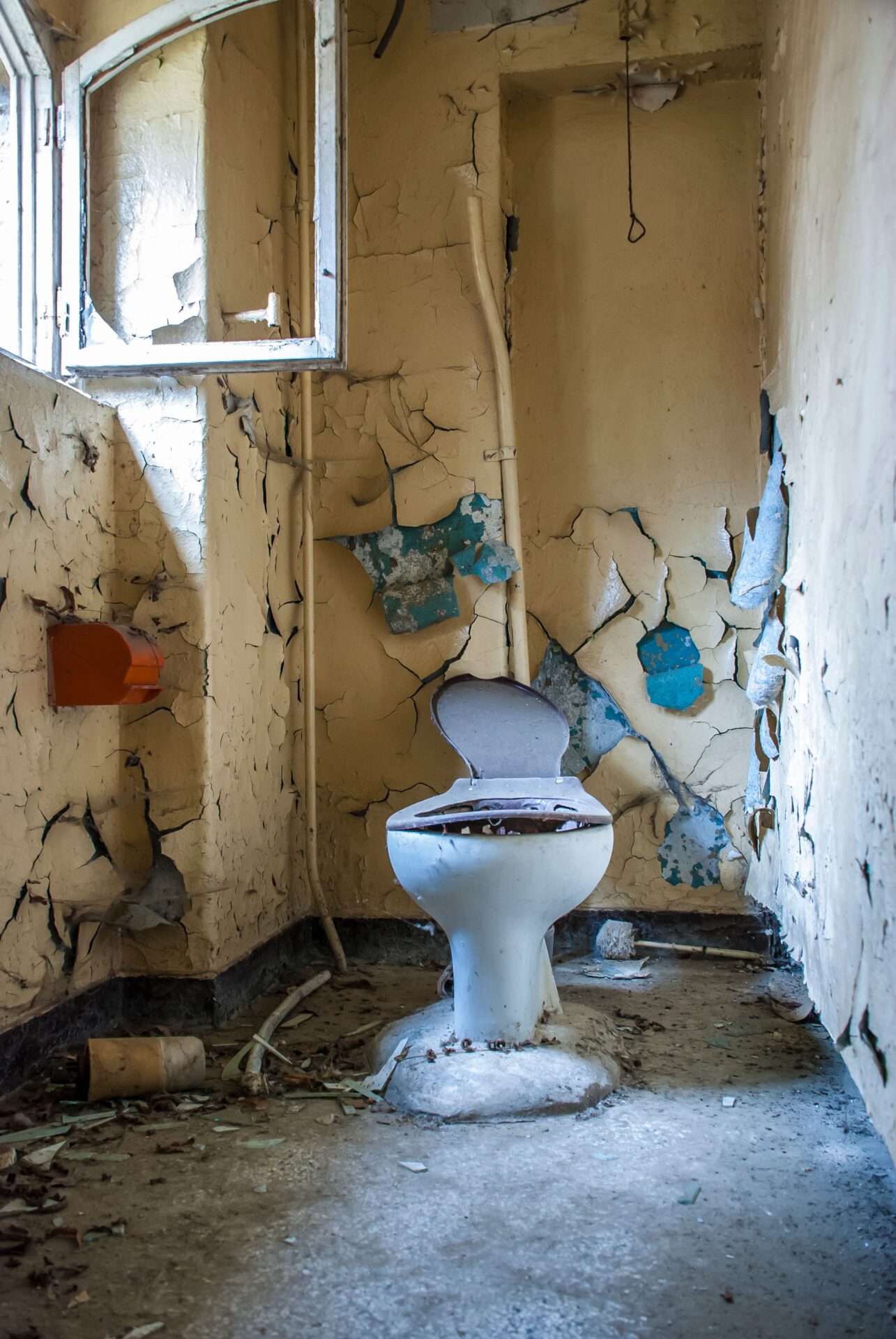
Toilets are durable fixtures. A well-maintained porcelain toilet can last 50 years or more. That does not mean a 30-year-old toilet is still a good idea to keep around.
Older toilets manufactured before 1994 use between 3.5 and 7 gallons per flush. Federal law now requires new toilets to use no more than 1.6 gallons per flush, and many WaterSense-certified models use just 1.28 gallons. Replacing an old toilet with a modern high-efficiency model can save a household of four roughly 16,000 gallons of water per year, according to the EPA.
Age alone is not the only factor. A toilet that works fine, holds water, flushes properly, and does not leak may still have years of life left regardless of its manufacture date. The trouble starts when repairs become frequent and the fixture no longer performs the way it should.
Is a Running Toilet a Sign You Need a New Toilet?
A toilet that runs constantly or cycles on and off by itself is wasting water every hour of the day. That phantom flush adds up fast on your monthly water bill.
The usual culprit is a worn flapper valve that no longer seals properly. Replacing a flapper is a quick, inexpensive fix. If you have already swapped the flapper and adjusted the fill valve and the running continues, the problem may be a warped flush valve seat or a crack in the tank that allows water to seep out slowly.
One flapper replacement is normal maintenance. Replacing the same internal parts two or three times in a single year is one of the clearest signs you need a new toilet. At that point, the combined cost of parts and time starts to approach the price of a new fixture replacement that will not need attention for a long time.
Does Constant Clogging Mean You Need a New Toilet?
Every toilet clogs once in a while. A toilet that clogs once a week, or requires a plunger sitting permanently beside it, is telling you something different.
Older low-flow toilets from the mid-1990s are notorious for weak flushes. Early low-flow designs reduced water use but sacrificed flushing power, leaving homeowners stuck with fixtures that could not clear waste reliably. Modern low-flow toilets have solved this problem with improved trapway designs and pressure-assisted flushing technology.
Frequent clogs can also signal a partial blockage in the drain line below the toilet. A plumber can run a camera through the line to rule out a pipe issue before you spend money on a replacement. Hard Knox Plumbing offers professional drain repair and clearing to help Knoxville homeowners pinpoint the source of the problem. If the drain line looks clear and the toilet still clogs regularly, the fixture itself is the problem.
Should You Worry About Cracks in Your Toilet?
A crack in a toilet bowl or tank is a serious concern, even if it looks small. Hairline cracks in porcelain grow over time, and a crack in the tank can turn into a sudden leak that dumps gallons of water onto your bathroom floor.
Inspect the outside of the bowl and tank with a flashlight. Run your fingers along the base and around the tank bolts. If you see a visible crack or feel moisture where there should not be any, the toilet needs to be replaced rather than repaired. Porcelain cannot be patched reliably, and the risk of a full failure makes keeping a cracked toilet a gamble.
A small puddle around the base of the toilet does not always mean a crack. It could come from a failed wax ring seal between the toilet and the floor flange. A plumber can determine the source and let you know if a reseal will solve the problem or if the bowl itself is compromised. Either way, visible cracking is one of the most urgent signs you need a new toilet.
Why Does Your Toilet Wobble When You Sit on It?
A rocking toilet feels unstable and creates a real plumbing risk. The wax ring that seals the toilet to the drain flange depends on a firm, level connection. Every time the toilet shifts, that seal weakens. A broken seal lets sewer gas seep into your bathroom and allows water to leak beneath the floor with every flush.
Loose bolts at the base are the simplest explanation and the easiest fix. Tightening them may stop the wobble completely. If the bolts are tight and the toilet still rocks, the floor flange underneath may be corroded or broken, or the subfloor may have water damage from a previous leak.
A wobbly toilet paired with a soft or discolored floor around the base is a red flag. That combination often points to moisture damage in the subfloor, which means the problem has been developing for a while. Addressing it quickly prevents more costly structural repair down the road.
Are Rising Water Bills a Sign You Need a New Toilet?
Toilets account for nearly 30% of a home’s indoor water use. A toilet with a slow, silent leak can waste 200 gallons of water per day without making a sound.
The simplest test for a silent leak is the food coloring test. Drop a few drops of food coloring into the tank and wait 15 minutes without flushing. If the color appears in the bowl, water is leaking past the flapper. This test takes less than a minute to set up, and it can explain a sudden jump in your water bill.
Knoxville homeowners who have noticed a steady climb in water costs should inspect their toilets first. A single leaking toilet is one of the most common causes of unexplained high water bills in residential homes. If the leak keeps coming back after repairs, that pattern is another sign you need a new toilet rather than another round of part replacements.
What Does Frequent Repair Tell You About Your Toilet’s Future?
Replacing a fill valve once is routine. Swapping out a handle or tightening a supply line connection is normal wear and tear. When those repairs start stacking up, three or four in the same year, you are spending money to keep an aging fixture limping along.
Think of it the same way you would an old car. A single repair makes sense. A string of repairs within a short period means the whole system is wearing out. The total cost of those individual fixes often exceeds the price of a quality new toilet installed by a professional plumber.
Modern toilets are easier to maintain, more water-efficient, and designed with better flushing performance than models from 10 or 20 years ago. Upgrading eliminates the cycle of repair calls and gives you a fixture that works right from day one.
How Does Replacing Your Toilet Save You Money Over Time?
A new toilet pays for itself faster than most homeowners expect. The water savings alone are substantial. Switching from a 3.5-gallon-per-flush toilet to a 1.28-gallon model in a home with four people cuts annual water use by thousands of gallons. Depending on local Knoxville water rates, that can mean a noticeable drop in your monthly bill.
Fewer repair calls add to the savings. A new toilet with quality internal components should run for years before anything needs attention. You also avoid the hidden costs of water damage caused by slow leaks or cracked porcelain, which can lead to mold, subfloor rot, and expensive restoration work.
If you have noticed any of the signs you need a new toilet covered in this article, Hard Knox Plumbing can help. Our team installs new toilets for homeowners across Knoxville and the surrounding area. We will help you choose the right fixture for your bathroom, handle the removal of your old toilet, and make sure everything is sealed and connected properly. Contact us or call (865) 765-8946. You can also visit us at 3414 Henson Rd C, Knoxville, TN 37921.
Frequently Asked Questions
How Much Does It Cost to Replace a Toilet in Knoxville?
The cost of a new toilet plus professional installation in Knoxville ranges from around $250 to $600 or more, depending on the toilet model and the complexity of the installation. If the floor flange or subfloor needs repair, the cost may be higher. A plumber can give you an accurate estimate after inspecting the current setup.
Can a Plumber Fix a Cracked Toilet, or Does It Need Replacing?
Porcelain cracks cannot be repaired reliably. Epoxy or sealant may slow a leak temporarily, but the crack will continue to grow. A cracked toilet, especially one leaking from the tank or bowl, should be replaced to prevent water damage and potential flooding.
How Do You Know If Your Toilet Flange Is Bad?
Signs of a bad toilet flange include a toilet that rocks or wobbles, sewer odor in the bathroom, water seeping around the base after flushing, and visible corrosion when the toilet is removed. A plumber can inspect the flange during a toilet replacement and repair it if needed.
Is It Worth Upgrading to a Dual-Flush Toilet?
Dual-flush toilets give you the option of a lower-volume flush for liquid waste and a full flush for solid waste. They use less water overall and can reduce your water bill. For Knoxville homeowners looking to save on water costs, a dual-flush model is a practical upgrade.
How Long Does a Toilet Installation Take?
A standard toilet installation takes about one to two hours for a professional plumber. If the flange or subfloor needs repair, the job may take longer. Most homeowners have a fully functional new toilet the same day the old one is removed.

Keep reading


