

You fill a glass from the kitchen tap and notice a faint smell. Maybe it is a hint of chlorine. Maybe the water has a slightly metallic taste that was not there a few months ago. You drink it anyway because it looks clear enough.
Most homeowners in Knoxville go through this exact moment at some point. The water coming from the tap meets federal safety standards, but that does not always mean it tastes great or that it is free from everything you would rather not drink. A water filtration system can bridge the gap between water that is technically safe and water that actually feels clean.
Here is how to figure out whether your home could benefit from one, what your options look like, and when it makes sense to bring in a professional.
What Does a Water Filtration System Actually Do?
A water filtration system removes unwanted contaminants from your water supply before it reaches your glass, your shower, or your appliances. Depending on the type of system, it can target sediment, chlorine, heavy metals, minerals that cause hard water, and even microscopic bacteria.
Think of it as an extra layer of protection. Knoxville’s water is treated at the municipal level before it ever reaches your home, but it still picks up trace amounts of minerals, chemicals, and sediment as it travels through miles of aging pipes. A good filtration setup catches what the city treatment process leaves behind.
How Do You Know If Your Water Quality Is a Problem?
You do not need a lab test to catch the first warning signs. Your senses can tell you a lot about what is going on with your water.
Does Your Water Taste or Smell Off?
A chlorine smell is one of the most common complaints. Municipal water systems use chlorine to disinfect the supply, and while the levels are considered safe, the taste and odor can be strong enough to notice. A metallic or earthy flavor can point to elevated minerals or sediment in the water.
If your water has a rotten egg smell, that usually indicates hydrogen sulfide. It is not always harmful at low levels, but it is unpleasant enough that most homeowners want it gone.
Are You Noticing Stains or Buildup on Fixtures?
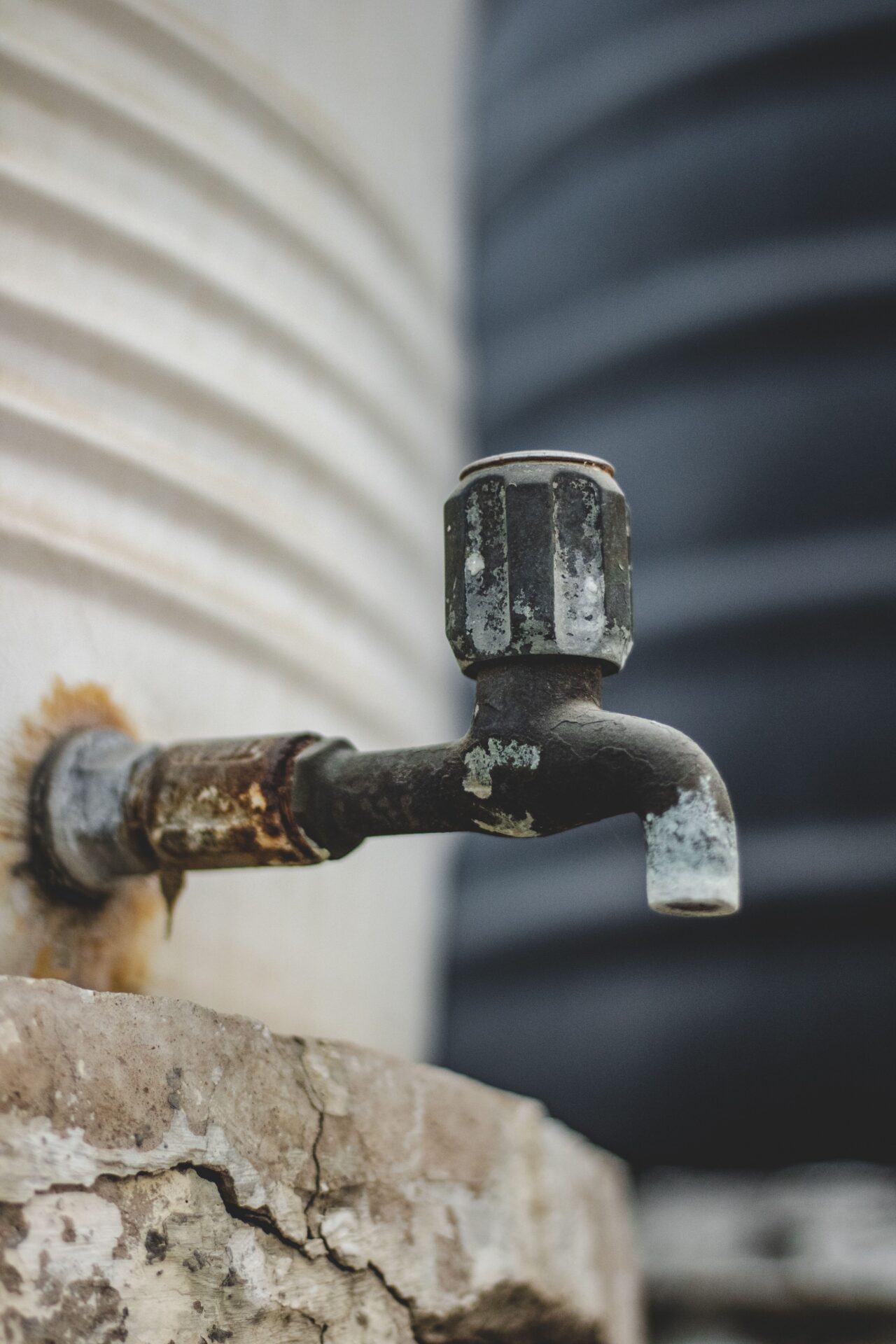
White, chalky deposits around your faucets and showerheads are a telltale sign of hard water. Orange or rust-colored stains in sinks, tubs, and toilets often point to elevated iron content. Over time, mineral buildup can damage fixtures and reduce the lifespan of appliances like dishwashers and water heaters. If you are already dealing with fixture problems, hard water could be a contributing factor.
Is Hard Water Affecting Your Skin or Hair?
Dry, itchy skin after showering is a complaint many East Tennessee homeowners do not think to connect to their water. Hard water makes it harder for soap to lather and rinse cleanly, leaving a residue on your skin and hair. If you have noticed your skin feels tight or your hair looks dull, the mineral content in your water may be the reason.
What Types of Water Filtration Systems Are Available?
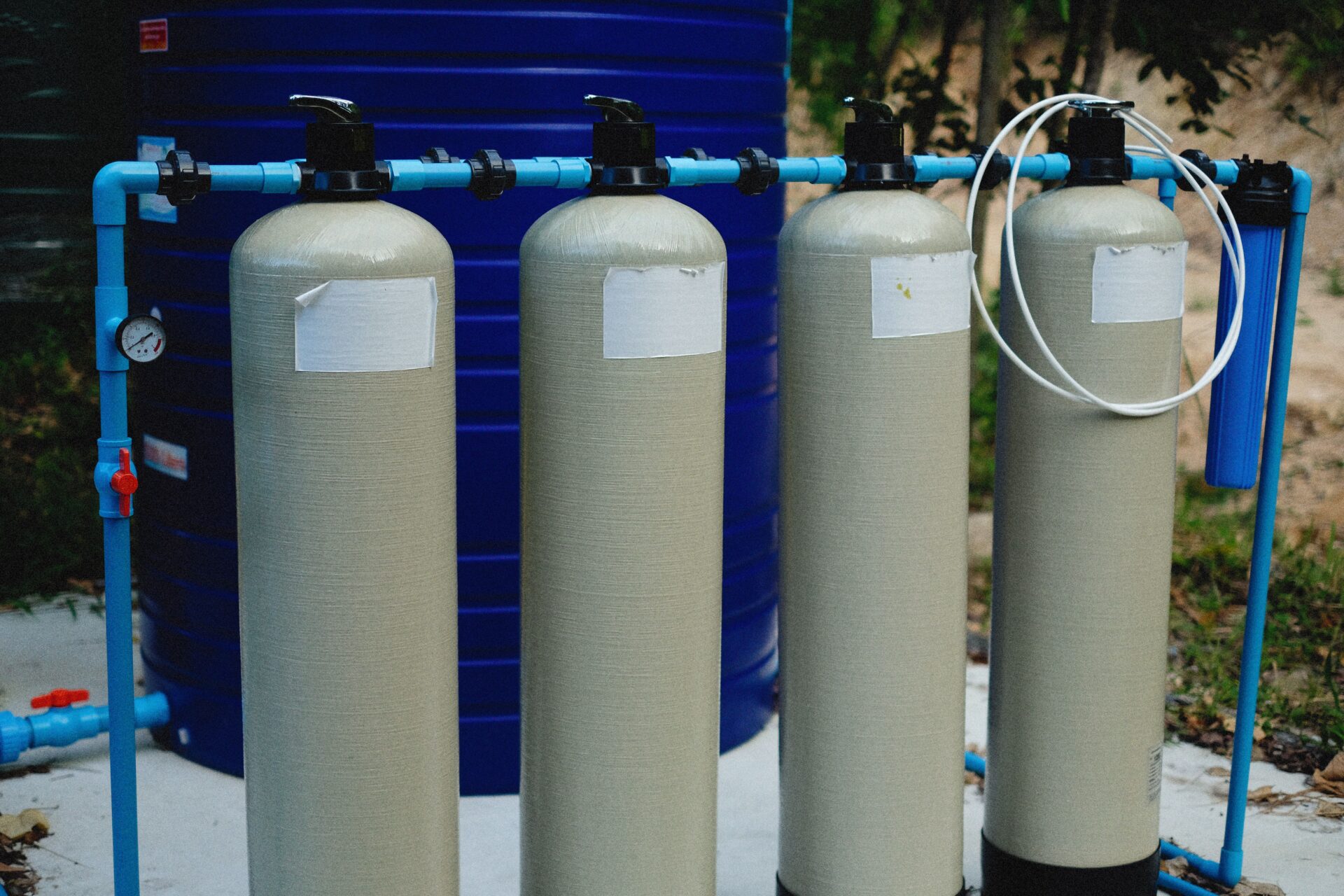
Not every home needs the same setup. The right solution depends on what is in your water and how much coverage you want.
What Is a Whole-House Water Filtration System?
A whole-house system is installed at the main water line where it enters your home. Every faucet, shower, toilet, and appliance receives filtered water. This is the most comprehensive option and the one most homeowners in Knoxville benefit from the most.
These systems can include sediment filters, carbon filters, and water softeners depending on what your water test reveals. Because they treat water at the point of entry, they also help protect your plumbing pipes and appliances from mineral buildup throughout the entire house.
What About Under-Sink Filters?
Under-sink filtration systems are installed at a single point of use, usually the kitchen sink. They are a good option if your main concern is drinking and cooking water quality rather than whole-home coverage.
These systems are more affordable upfront and easier to install. The tradeoff is that they only filter water at that one location, so the rest of your home still receives unfiltered water.
Are Pitcher Filters Enough?
Pitcher filters are better than nothing, but they are limited. They primarily reduce chlorine taste and some sediment. They do not address hard water, heavy metals, or bacteria, and they require frequent filter replacements to stay effective.
For homeowners dealing with noticeable water quality issues, a pitcher is typically a temporary fix rather than a long-term solution.
Why Does Water Quality Matter for Knoxville Homeowners?
Knoxville’s water comes primarily from the Tennessee River and is treated at the Knoxville Utilities Board’s Mark B. Whitaker Water Treatment Plant. KUB conducts over 100,000 water quality tests each year and consistently meets all federal and state drinking water standards.
That is reassuring, but it does not tell the whole story. Meeting regulatory standards means contaminants are below the legal maximum. It does not mean they are at zero. Disinfection byproducts, trace minerals, and sediment can still be present at levels that affect taste, leave residue on fixtures, or contribute to buildup inside your pipes.
Older homes in neighborhoods across Knoxville, Farragut, Powell, and Maryville may also have aging plumbing infrastructure that introduces additional contaminants between the treatment plant and your tap. If your home has older galvanized or copper pipes, a filtration system helps catch anything those pipes add to the water along the way. Homeowners who have recently had water line repairs sometimes discover that a filtration upgrade makes sense as a next step.
What Should You Consider Before Choosing a Water Filtration System?
Before you invest in any system, it helps to know exactly what is in your water. Here are a few things worth thinking through.
When Should You Call a Professional About Your Water Quality?
Some water quality issues can be managed with a simple pitcher or faucet attachment. But if you are dealing with persistent problems, a professional installation is usually the better path.
Call a plumber if you notice any of the following: your water consistently tastes or smells off even after running the tap, you see recurring stains on fixtures and in toilets, your appliances are building up scale faster than normal, you have concerns about what might be in your water beyond chlorine, or your home has older pipes that could be adding contaminants.
A qualified plumber can test your water, walk you through the results, and recommend a water filtration system that fits your home and your budget. At Hard Knox Plumbing, our team specializes in water filtration solutions for homeowners throughout Knoxville and the surrounding areas. We take the time to explain your options so you can make the decision that is right for your family.
Clean Water Starts with the Right System
Your home’s water affects everything from the coffee you brew in the morning to the shower you take at night. If the taste, smell, or quality of your water has been bothering you, a water filtration system could be the answer you have been looking for.
The good news is that you do not have to figure it out alone. Hard Knox Plumbing serves Knoxville, Farragut, Powell, Maryville, and the surrounding communities with honest advice and professional installation. Whether you need a whole-house system or a targeted under-sink filter, our team can help you find the right fit.
Give us a call at (865) 765-8946 or schedule an appointment online. We will test your water, explain what we find, and help you choose a system that makes a real difference in your home.
Frequently Asked Questions
How much does a water filtration system cost to install?
The cost depends on the type of system and the size of your home. Under-sink filters are the most affordable option, while whole-house systems cost more but provide complete coverage. A plumber can give you an accurate estimate after testing your water and evaluating your plumbing.
How long does a whole-house filtration system last?
Most whole-house systems last 10 to 15 years or longer with proper maintenance. Individual filter cartridges within the system typically need to be replaced every 3 to 12 months depending on usage and water quality. Water softener components may have different maintenance schedules.
Is Knoxville tap water safe to drink without a filter?
Knoxville’s tap water meets all federal and state drinking water standards. However, trace amounts of chlorine, minerals, and disinfection byproducts can still be present. A home filtration setup reduces these to improve taste, odor, and overall quality.
Can a water filtration system help with hard water?
Yes. A water softener, which is one type of filtration system, specifically targets the calcium and magnesium minerals that cause hard water. This reduces scale buildup on fixtures, improves soap lathering, and helps extend the life of water-using appliances like dishwashers and water heaters.
Do I need a plumber to install a water filtration system?
For whole-house systems, professional installation is recommended. These systems connect directly to your main water line, and improper installation can lead to leaks, pressure issues, or reduced effectiveness. A licensed plumber ensures the system is installed correctly and sized for your household.

Keep reading


