
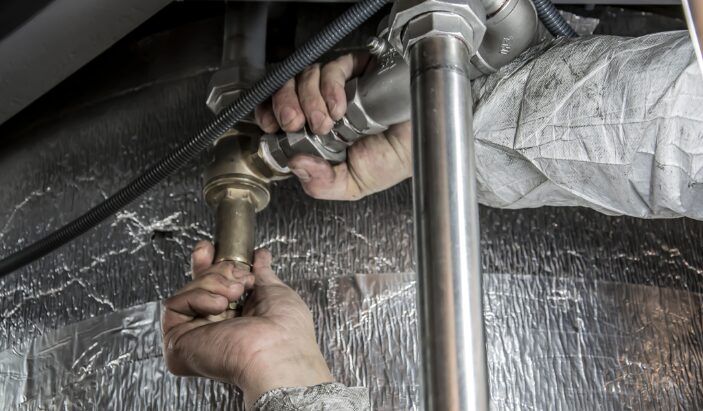
Water Line Repairs: Causes, Costs, and What to Expect
A wet spot in the yard that never dries out. A water bill that jumped with no explanation. The faint sound of running water inside the walls when every faucet is off. These are the small, unsettling signs that something is wrong with your water line. They tend to show up at the worst possible time. Water line repairs are one of the more serious plumbing issues a homeowner can face.
The water line is the pipe that runs from the municipal supply or your well directly into your home. When it cracks, corrodes, or fails, water pressure drops, water quality suffers, and damage can spread fast. Catching the problem early matters. Understanding what causes it and knowing what a repair involves can save you thousands of dollars and significant stress.
This article breaks down the most common causes of water line damage, what repairs cost in the real world, and exactly what happens from the moment you call a plumber to the moment your water is flowing cleanly again.
What Causes Water Line Damage?
Corroded and aging underground pipes are the leading cause of sudden water line leaks.
Water lines fail for a handful of reasons. Most of them have nothing to do with anything the homeowner did wrong. The pipe just has a hard life underground.
Corrosion
Corrosion is the most common culprit, especially in older homes. Pipes made from galvanized steel or iron were the standard for decades, but they rust from the inside out over time. Once corrosion takes hold, the pipe walls thin and small leaks form. Eventually the pipe fails entirely. Copper pipes are more resistant, but they are not immune, particularly when the soil chemistry is acidic.
Tree Roots
Tree roots are another frequent cause. Roots are relentlessly drawn to moisture. A small crack or loose joint in a water line is an invitation they will accept. Over time, roots can wrap around a pipe, squeeze it, or push through it entirely. You may not notice any problem until the root intrusion is already severe.
Ground Movement
Ground movement causes damage too. Soil shifts with the seasons, especially in areas that experience hard freezes and thaws. That repeated movement puts stress on rigid pipes, and eventually the joints give. Ground settling around a home’s foundation can do the same thing.
Age
Age is a factor all its own. According to the American Society of Civil Engineers, much of the water infrastructure in the United States is nearing or past its expected service life. Residential pipes face the same reality. A home built in the 1960s or 1970s may have water line pipes that are simply worn out, regardless of any specific event that triggered failure.
High Water Pressure
High water pressure is a sneakier cause. When household water pressure consistently runs too high, it stresses every pipe and joint in the system. That extra force wears down fittings over years. The water line connection points are often where the damage shows up first.
How Do You Know If Your Water Line Is Damaged?
Spotting a water line problem early makes a real difference in repair costs. The damage is underground, so there are no obvious visible signs at first. But the symptoms are detectable if you know what to look for.
Sudden Drop in Water Pressure
A sudden, unexplained drop in water pressure throughout the home is one of the clearest signals. If pressure was fine last week and now everything from the shower to the kitchen faucet feels weak, the water line deserves a close look. Low pressure affecting every fixture at once points to a supply-side issue rather than a localized clog.
Discolored Water
Discolored water is another red flag. Rust-colored or cloudy water coming from the tap often means the pipe wall has deteriorated enough to contaminate the flow. This goes beyond inconvenience since it raises genuine health concerns.
Pooling Water in the Yard
Pooling water or an unusually soggy patch in the yard is a strong visual indicator, particularly along the path from the street to your home. If the ground stays wet through dry weather, a leaking line underneath is a serious possibility.
Spiking Water Bills
Spiking water bills with no change in usage habits are also a warning sign. Even a small continuous leak underground can add hundreds of gallons per day to your consumption. That shows up on the bill before you ever see water on the surface.
What Does a Water Line Repair Actually Cost?
Cost is the question every homeowner asks first. The honest answer is that it depends on several factors. The range is wide, but knowing what drives pricing helps you understand the quote you receive.
Minor Repairs
Minor repairs, such as fixing a single crack or replacing a damaged joint near the home’s foundation, are localized fixes. They do not require major excavation and a plumber can complete them in a few hours.
Full Water Line Replacement
Full water line replacement is a different scale. Homes with long runs, difficult terrain, deep pipes, or older infrastructure on the street side will push costs higher. In some cities, the homeowner is responsible for the line from the property line to the house, while the utility owns the portion under the street. The scope of work matters.
Trenchless Methods
Traditional excavation methods use heavy equipment to dig out and completely replace structural utility lines.

Trenchless repair methods have changed the cost calculation for many homeowners. Traditional repair requires digging a trench along the entire damaged line, which adds labor, equipment, and restoration costs for the landscaping above. Trenchless pipe lining or pipe bursting allows a plumber to repair or replace the pipe with minimal excavation. This reduces both the labor hours and the cost of restoring your yard afterward. Not every situation qualifies for trenchless methods, but when it applies, it is almost always the more cost-effective choice.
Financing Options
Financing options make a meaningful difference for homeowners facing an unexpected repair. Many plumbing companies offer payment plans that spread the cost over time. This prevents a large emergency repair from turning into a financial crisis. If cost is a concern, ask about financing before you assume the work is out of reach.
What Happens During a Water Line Repair?
Knowing the process ahead of time removes a lot of the anxiety around scheduling and approving a water line repair. Here is a straightforward walkthrough of what to expect from start to finish.
How Does a Plumber Find the Problem?
Diagnosis comes first. A licensed plumber will inspect the visible plumbing inside the home and then assess the external signs in the yard or along the foundation. Many plumbers use specialized equipment to locate the leak without digging. This includes acoustic listening devices that detect the sound of water escaping underground and electronic pipe locators that trace the line’s path precisely. This diagnostic step is worth paying for because pinpointing the problem saves significant excavation costs.
What Permits and Approvals Are Required?
Most municipalities require a permit for water line work, particularly for full replacements or any work involving the connection to the municipal main. A reputable plumber handles the permit process as part of the job. Unpermitted water line work can create problems when you sell the home. It may also not be covered by homeowner’s insurance if something goes wrong later.
How Long Does the Repair Take?
A minor localized repair can be done in a single day. Full line replacements using traditional trenching take two to three days depending on the length of the run and ground conditions. Trenchless methods often cut that timeline considerably. During the repair, your water will be shut off to the home. A good plumbing company coordinates the timing to minimize disruption. Most residential water line jobs restore service by the end of the workday.
What Happens After the Repair Is Complete?
Once the plumber puts the new pipe in place, they pressure test the line to confirm there are no remaining leaks before filling any trenches. If excavation was needed, the crew compacts the soil and restores the area. You may need to reseed grass or replace small sections of hardscaping after the ground settles. Many plumbing companies include basic surface restoration in the project scope. The plumber turns your water back on, verifies pressure at the fixtures, and inspects the job if a permit was pulled.
Hiring a professional plumber ensures your water line repair meets local building codes and municipal permit standards.
Should You Repair or Replace the Line?
This is the decision that matters most financially. A spot repair makes sense when the pipe is otherwise in good condition and the damage is isolated to one small section. Patching a recent crack in a relatively new copper line is a reasonable approach.
When Full Replacement Makes Sense
Full replacement is the smarter investment when the pipe is old, already showing multiple weak points, or made from a material prone to repeated failure. Patching an aging galvanized steel line often buys only a year or two before the next section gives out. At that point, you have paid for multiple repairs and still need a full replacement. A plumber who honestly walks through the pipe’s condition will give you a clearer picture of which path actually saves money over time.
Frequently Asked Questions About Water Line Repairs
How Do I Know If the Leak Is in My Water Line or Inside the House?
A quick test helps narrow this down. Locate the main shutoff valve where the water line enters your home and turn it off. Then check your water meter. If the meter is still moving after the shutoff is closed, the leak is in the line between the street and your house. If the meter stops, the problem is somewhere in the interior plumbing.
Does Homeowner’s Insurance Cover Water Line Repairs?
Standard homeowner’s insurance policies cover sudden and accidental water damage inside the home but exclude underground water line repairs in most cases. Some insurers offer water and sewer line endorsements as add-ons. Check your specific policy and ask your insurer about available riders if underground lines are a concern.
Who Is Responsible for the Water Line, the Homeowner or the City?
This varies by municipality. In most cases, the city owns and maintains the main water line in the street and the connection at the curb stop. The homeowner is responsible for the service line running from the curb stop to the house. If a problem occurs in the street main, the utility handles it. If the damage is on the property, the repair cost falls to the homeowner. A plumber can help you determine which section of line is affected.
Can a Water Line Repair Be Done in Winter?
Yes, repairs can be done in cold weather, though frozen or very hard ground adds complexity and sometimes cost to the excavation. Plumbers handle emergency repairs in winter as quickly as any other season because losing water service is not something a household can wait out. Trenchless methods are particularly useful in cold climates since they reduce the amount of ground disturbance required.
How Long Do Repaired or Replaced Water Lines Last?
Modern materials used in water line replacement, including HDPE (high-density polyethylene) and PEX tubing, carry expected service lives of many decades under normal conditions. A properly installed replacement line in good soil conditions should be the last water line repair that home needs for a very long time.
What Should I Do While Waiting for a Plumber to Arrive?
Shut off the main water supply to stop water loss and prevent further damage. Note when you first noticed the problem and document any visible evidence like wet areas in the yard. This information helps the plumber diagnose faster. Avoid running water in the home until the plumber assesses the issue. Contact a plumber who offers emergency service if the situation is urgent.
When Should You Call a Plumber?
The short answer is: as soon as you suspect there is a problem. Water line issues do not self-correct. A small leak underground will grow, the soil around it will erode, and water loss will accumulate. The longer the problem goes unaddressed, the more expensive and disruptive the repair becomes.
If your water bill has spiked without explanation, your pressure has dropped, you see unexplained wet spots in the yard, or your water looks discolored, call a licensed plumber for an assessment. Many companies offer same-day or emergency appointments. Getting a professional look at the situation early is far less costly than waiting until a small problem becomes a major one.
Water line work is not a repair to postpone. With the right plumber, clear information about your options, and an understanding of what the job involves, you can move through the process with confidence and get your home’s water supply back to where it should be.