
5 Plumbing Mistakes Homeowners Make That Lead to Expensive Repairs
Plumbing problems rarely announce themselves. A slow drain seems minor until it backs up entirely. A small drip under the sink looks manageable until the cabinet floor rots through. Most plumbing disasters don’t come out of nowhere — they build quietly from decisions made weeks, months, or even years earlier. The good news is that the most expensive plumbing repairs are also the most preventable, and nearly all of them trace back to a handful of common mistakes homeowners make.
This post breaks down five of the most damaging plumbing mistakes, explains why each one causes problems, and tells you exactly what to do instead.
Mistake #1: Is Ignoring Small Leaks Until They Become Big Problems?
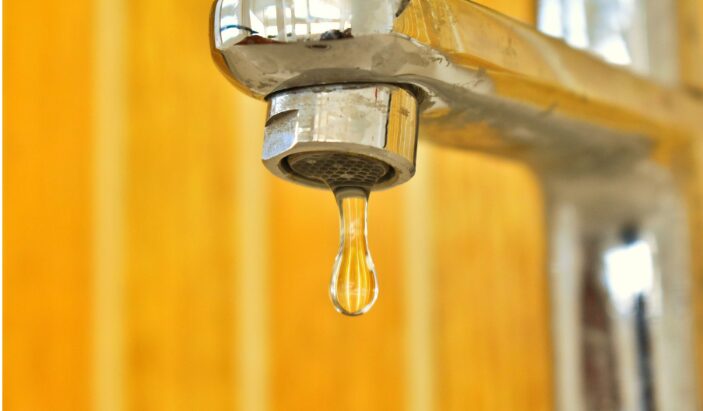
A dripping faucet or a slow seep around a pipe fitting looks easy to ignore. It’s not pooling on the floor. The damage isn’t visible. So it gets pushed to the bottom of the to-do list.
The cost of that delay adds up fast. According to the EPA, household leaks waste nearly 1 trillion gallons of water annually in the United States, and the average home leaks about 10,000 gallons per year. Beyond the water bill, unaddressed leaks saturate drywall, rot wood framing, and create the warm, damp conditions that mold needs to grow. A faucet repair that costs $100 today can turn into a mold remediation job that runs several thousand dollars once moisture damage sets in.
The fix is simple: treat every drip as urgent. Check under sinks every few months for moisture. If you spot water stains on ceilings or walls, call a plumber before you assume it’s just condensation.
Mistake #2: Are You Putting the Wrong Things Down Your Drains?
This mistake is one of the most widespread and also one of the most preventable. Kitchen drains take the most abuse — grease, cooking oil, coffee grounds, and food scraps all get rinsed down regularly. In bathrooms, wipes labeled “flushable” still cause significant blockages because they don’t break down like toilet paper does.
Grease is especially damaging. It goes down as a liquid but solidifies inside pipes as it cools. Over time, grease builds up in layers, narrows the pipe, and eventually causes a full blockage. When that blockage sits deep in the line rather than near the drain opening, clearing it requires professional equipment and costs considerably more than a basic drain cleaning.
Pouring grease into a container and throwing it in the trash is a habit worth building. Keep a drain strainer over kitchen drains to catch solids. Skip the “flushable” wipes entirely or dispose of them in the trash. These small changes protect your pipes from the slow accumulation that causes blockages.
Mistake #3: Why Does Using Chemical Drain Cleaners Backfire?
When a drain slows down, the easiest response feels like grabbing a bottle of chemical drain cleaner from under the sink. It’s cheap, it’s fast, and it seems to work — at least the first few times.
The problem is that chemical drain cleaners work through a highly caustic reaction that generates heat. That heat eats through organic material, which sounds effective in theory. In practice, it also eats through older pipes, particularly PVC and aging metal pipes. Repeated use weakens pipe walls, causes cracks, and accelerates corrosion. The chemical can also sit in a pipe and keep working long after the clog is gone, doing damage without any visible warning.
A professional drain clearing costs more upfront but solves the root issue without compromising the pipe itself. For frequent slow drains, a plumber can identify and correct the underlying cause rather than temporarily masking it. If the same drain keeps slowing down, that pattern is a signal worth taking seriously.
Mistake #4: What Happens When You Skip Routine Water Heater Maintenance?
Water heaters do their job quietly in the background until they stop working. Most homeowners don’t think about them until there’s cold water in the shower or a puddle on the floor. That neglect has real consequences.
Sediment builds up at the bottom of tank water heaters over time, particularly in areas with hard water. That sediment layer forces the unit to work harder, shortens its lifespan, and reduces efficiency. A water heater with heavy sediment can fail years before its expected service life ends. The anode rod, which protects the tank from corrosion, also depletes gradually and needs periodic replacement to keep the tank from rusting from the inside out.
An annual inspection catches these issues early. Flushing the tank removes sediment buildup. Checking the anode rod and replacing it when needed extends the life of the unit considerably. These are low-cost maintenance steps compared to an emergency water heater replacement, which often comes with water damage cleanup costs on top of the unit itself.
Tankless water heaters require maintenance too, even though they’re built to last longer. Annual descaling clears mineral deposits from the heating elements and keeps the unit running at full capacity.
Mistake #5: Does DIY Plumbing Without the Right Knowledge Cost You More?
Plenty of plumbing tasks are genuinely DIY-friendly. Replacing a faucet aerator, fixing a running toilet flapper, or swapping out a showerhead are low-risk jobs with clear instructions. The problem starts when homeowners apply that same confidence to jobs that require professional training.
Water line repairs, pipe rerouting, and anything involving shutoff valves near the main supply can turn a contained problem into a flooded room quickly. Mismatched fittings, improper solder joints, or overtightened connections can fail slowly and silently, causing water damage behind walls before anyone notices. Some repairs also require permits and inspections, and unpermitted work can create complications when it comes time to sell a home.
The clearest signal that a job needs a professional: if you’re unsure what you’re looking at, the water supply to the whole house needs to be shut off, or the repair involves pipes inside walls or under slabs. Calling a plumber in those situations costs far less than fixing an amateur repair that went wrong.
What Should You Do When a Plumbing Problem Catches You Off Guard?
Even careful homeowners face unexpected plumbing failures. A water line can burst. A water heater can fail overnight. A tree root can crack a drain line. These situations don’t keep business hours, which is why having access to a 24/7 emergency plumbing service matters.
When an emergency hits, the fastest step you can take is shutting off the water supply to the affected area, or to the whole house if needed. That single action limits damage while you wait for a plumber to arrive. Knowing where your main shutoff valve is located before something goes wrong saves time and stress when it counts most.
For larger repairs, many professional plumbing companies offer financing options that make it easier to address the problem right away rather than delaying and risking further damage.
Frequently Asked Questions
How do I know if I have a hidden water leak?
Watch for unexplained increases in your water bill, water stains on walls or ceilings, soft spots in flooring, or the sound of running water when everything is turned off. If you notice any of these signs, a plumber can use diagnostic tools to locate leaks without tearing into walls.
Are chemical drain cleaners safe to use occasionally?
Occasional use in newer PVC pipes carries less risk than repeated use in older plumbing. That said, a plunger or a drain snake handles most simple clogs without any chemical risk to your pipes. For recurring clogs, professional drain clearing finds and fixes the actual cause.
How often should a water heater be serviced?
Annual maintenance is the standard recommendation for both tank and tankless water heaters. This includes flushing sediment from tank units, checking the anode rod, inspecting connections, and descaling tankless models. Regular service extends the unit’s lifespan and keeps it running efficiently.
What plumbing repairs should always be left to a professional?
Water line repairs, sewer line work, any repair requiring a permit, jobs that involve cutting into walls or floors, and anything near the main water supply shutoff. These jobs carry a high risk of causing additional damage if done incorrectly and often require specialized equipment or code compliance.
What is the first thing to do during a plumbing emergency?
Shut off the water supply to the affected fixture or, if necessary, the main shutoff valve for the whole house. This stops water flow immediately and limits damage while you contact a plumber. For gas water heater emergencies, also turn off the gas supply.
Can small plumbing leaks really cause mold?
Yes. Mold only needs 24 to 48 hours to begin growing in damp conditions. A slow leak inside a wall or under a cabinet creates a consistently moist environment that supports mold growth even when no visible pooling occurs. Addressing leaks quickly is one of the most effective ways to prevent mold problems in a home.
The Bottom Line on Avoiding Costly Plumbing Repairs
Expensive plumbing repairs share a common thread: they were preventable. Catching leaks early, protecting your drains, skipping the chemical cleaners, staying on top of water heater maintenance, and knowing when to call a professional rather than attempting a repair yourself each play a part in keeping your plumbing system running and your repair bills low.
Plumbing problems that get attention early are almost always cheaper and easier to fix than ones that get ignored. If you’re already noticing signs of trouble — a slow drain, a dripping pipe, fluctuating water pressure, or a water heater making new noises — a call to an experienced plumber is the right next step.
Our team is available 24/7 for both emergency calls and scheduled service, and we offer financing options to make necessary repairs and replacements more manageable. Reach out today to schedule an inspection or get a quote.
Keep reading


