
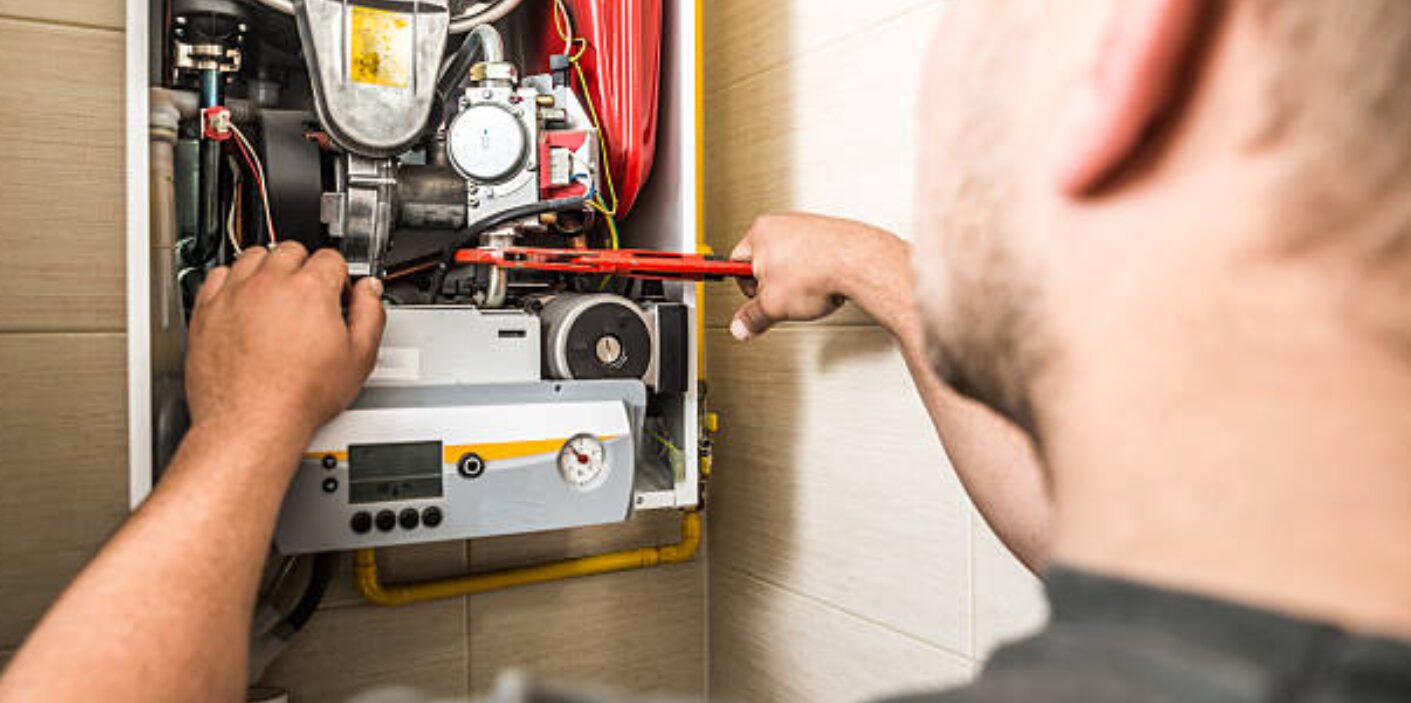
If you’ve ever had a shower abruptly turn cold, you know the frustration that comes with a traditional water tank. Standard water heaters store a huge volume of water and constantly reheat it, which causes annoying hot water shortages and unnecessarily high utility bills.
This is a major household problem, but there is a reliable solution. We help you identify the 5 most common signs your standard heater is failing and explain why upgrading to a Tankless Water Heater has become the smart, efficient choice for homeowners and businesses in Knoxville.
5 Signs Your Standard Water Heater Needs Immediate Attention
1. No Hot Water or Lukewarm Output
The most obvious sign of failure is a lack of hot water. If your water gets warm but quickly turns cold, the issue is often sediment buildup. Over time, minerals settle at the bottom of the tank, creating a barrier that prevents the burner from effectively heating the water. This forces your heater to work harder while delivering poor results.
2. Strange Noises (Rumbling or Popping)
Don’t ignore the sounds of popping, cracking, or rumbling coming from your heater. These strange noises are directly caused by sediment buildup. The trapped layer of mineral deposits at the bottom of the tank overheats, causing the water pockets inside to boil and burst. This not only signals inefficiency but also puts heavy stress on the tank itself, risking a rupture.
3. Leaking or Puddling Water Around the Tank
Any water pooling beneath your heater tank is a major red flag that requires immediate action. Leaking can stem from loose connections or a faulty valve, but a leak coming directly from the tank itself means the metal has corroded and failed internally. If the standard water heater tank is leaking, it cannot be fixed, and a full replacement is necessary right away to prevent a flood.
4. Rusty or Discolored Water
If the hot water coming from your faucets looks rusty, murky, or smells metallic, you have corrosion inside the system. This often means the anode rod, the part designed to prevent rust, has failed, and the tank walls are starting to corrode. This issue won’t go away and points to a serious internal breakdown that warrants replacement.
5. Old Age (Over 10 Years)
Most traditional standard water heaters have a lifespan of about 10 to 12 years. If your unit is older than a decade, it is running far less efficiently than a new model and is statistically much more likely to fail. Replacing an old unit now is cheaper than facing an unexpected burst tank at 2 a.m.
Repair or Replace? Making the Right Financial Decision
When facing these signs, the choice between water heater repair or replacement depends on two factors:
- Age and Leak Location: If the unit is under 8 years old and the problem is minor (like a bad thermostat or heating element), repair is often the smart choice. If the tank is leaking or the unit is over 10 years old, replacement is always recommended.
- Cost vs. Efficiency: If the repair cost exceeds 50% of the price of a new unit, replacement is the wiser financial decision. An old heater will continue to waste money on your energy bill, whereas a new, high-efficiency model offers long-term savings.
If replacement is necessary, think about moving to a tankless water heater. This system solves the core problems of a traditional tank.
Hard Knox Plumbing: Your Knoxville Water Heater Experts
When you need dependable water heater repair Knoxville or professional tankless water heater installation, choose our experienced team. We handle the entire process, including safe removal of the old unit, and guarantee code-compliant installation.
For unexpected failures, Hard Knox Plumbing offers prompt 24/7 emergency service. Don’t let a failing heater stress your budget; ask about our flexible financing options today by contacting us here.
Frequently Asked Questions
Do tankless heaters work with hard water in Knoxville?
Yes, tankless heaters work well with hard water, but the minerals found in Knoxville’s water supply can cause scale buildup inside the unit. To maintain peak efficiency and prevent failure, the unit must be professionally flushed and descaled annually. This is a crucial maintenance step we provide.
Can one unit handle multiple showers running at once?
When installed correctly, yes. The main factor is proper sizing. Before installation, our plumbers calculate your home’s peak hot water demand to recommend a unit with a high enough flow rate (gallons per minute, or GPM) to support multiple fixtures without temperature drops.
Do I need a professional flush for maintenance?
Yes. Unlike a standard tank, tankless heaters should be flushed annually by a professional. This service removes mineral buildup (scale) inside the unit’s heat exchanger. Skipping this step can void your warranty and greatly shorten the lifespan of your unit.
How much space is actually saved by going tankless?
A typical 40-gallon storage tank requires about 12 to 16 square feet of floor space. A tankless unit is often mounted flat against a wall, taking up less than 4 square feet of wall space. This difference can free up valuable closet space in a smaller home or utility room.
What is the typical warranty length for a tankless water heater?
Most high-quality tankless water heaters come with a long warranty, often covering the heat exchanger for 12 to 15 years, which is greatly longer than the typical 6-year warranty found on standard storage tanks.