
Low water pressure is one of those problems that starts as a minor annoyance and gradually takes over your entire plumbing routine. Showers that barely rinse shampoo out. Faucets that fill a pot in what feels like three times longer than it should. Appliances that run slower than normal. If this sounds familiar, the cause is not random, and the fix is usually not as complicated as it seems.
Water pressure problems in Knoxville homes have a handful of common causes, most of which can be identified without calling anyone. This post covers what low water pressure actually means, what causes it, what you can check yourself, and when the problem needs a licensed plumber to fix it properly.
What Is Low Water Pressure and How Do You Know You Have It?
Water pressure is measured in PSI (pounds per square inch). Normal residential water pressure falls between 40 and 80 PSI. Anything below 40 PSI is considered low and noticeable in everyday use. Anything above 80 PSI is too high and can damage pipes, appliances, and fixtures over time.
You can check your home’s water pressure with a simple gauge that attaches to an outdoor hose bib. These cost about ten dollars at any hardware store. Attach it, turn the water on fully, and read the dial. That number tells you whether you have a pressure problem at the point where water enters your home, or whether the problem is happening somewhere inside.
If the gauge reads 60 PSI or higher at the hose bib but pressure feels weak at your faucets or showerhead, the restriction is inside your home. If the gauge reads below 40 PSI, the problem may be with your main supply line, your pressure regulator, or the municipal supply itself.
What Are the Most Common Causes of Low Water Pressure in Knoxville Homes?
Knoxville sits in an area with moderately hard water. The mineral content in the water supply, particularly calcium and magnesium, accumulates inside pipes, fixtures, and appliances over years of use. This is one of the most common causes of gradually declining water pressure in older homes, and it is worth understanding before assuming the problem is a leak or something more serious.
How does mineral buildup cause low water pressure?
Over time, calcium and magnesium deposits, commonly called limescale, build up on the interior walls of pipes and inside fixtures. In a faucet aerator or showerhead, this buildup can reduce flow by 50 percent or more without any visible damage to the fixture itself. The fix is often as simple as removing the aerator and soaking it in white vinegar for an hour.
In galvanized steel pipes, which are common in Knoxville homes built before the 1970s, limescale and rust combine to create a rough interior surface that increasingly restricts flow. A pipe that started at three-quarter inch diameter can narrow to a fraction of that over decades. At that point, cleaning the fixture does nothing because the restriction is in the pipe itself.
What role does the pressure regulator play?
Most homes built in the last few decades have a pressure reducing valve (PRV) installed near where the main water line enters the house. This device steps down the pressure from the municipal supply (which can exceed 100 PSI) to a safe residential level. PRVs have a lifespan of roughly 10 to 15 years. When they start to fail, they often cause pressure to drop below their set point, making water pressure feel weak throughout the entire home at once.
A failing PRV is worth suspecting when pressure feels low at every fixture simultaneously rather than just in one area. A plumber can test the PRV and adjust or replace it in a single service call. The part itself is not expensive, and this is often the cause in homes where pressure was fine for years and then started declining without any obvious trigger.
Could there be a leak affecting my water pressure?
A leak in your main water line reduces the total volume of water available inside your home, which shows up as low pressure. Main line leaks are not always obvious because they often occur underground or inside walls. Signs to watch for include a water meter that moves when all fixtures are off, unexplained wet spots in the yard, or a water bill that suddenly increased without a change in usage.
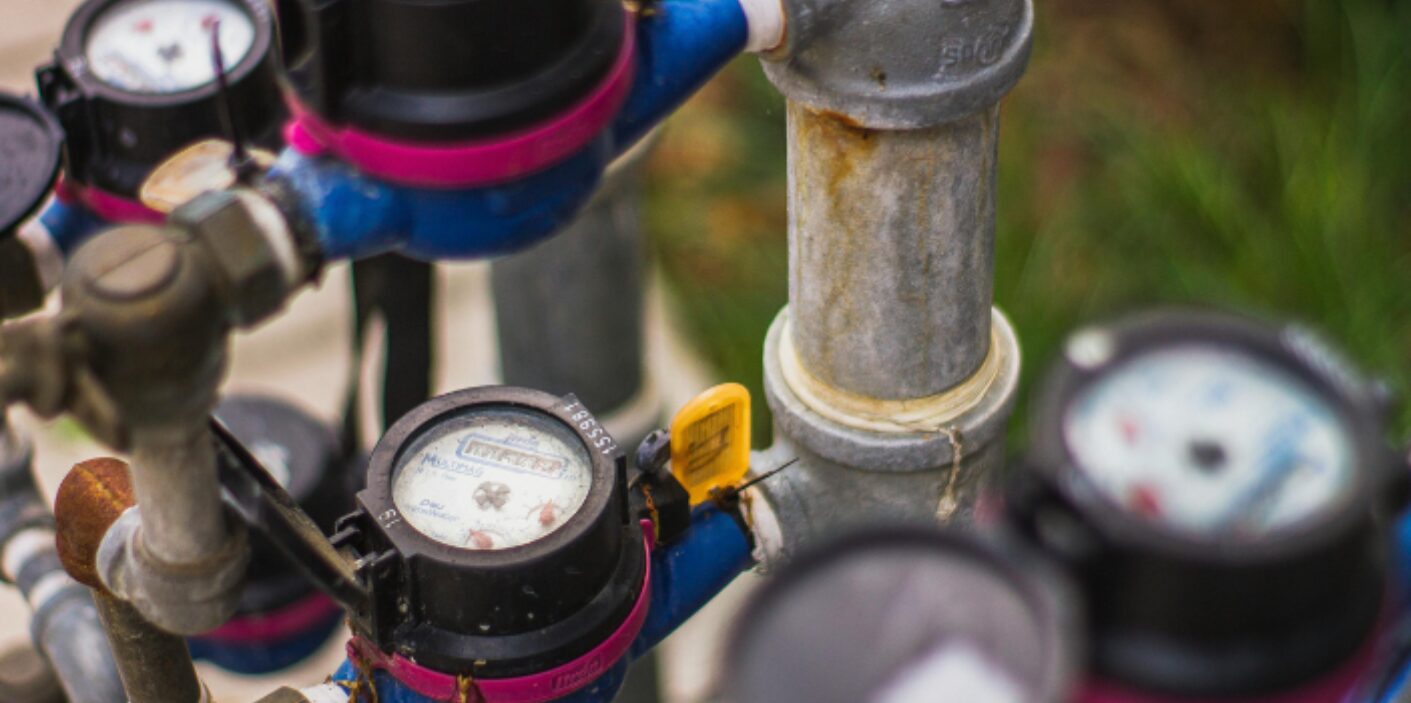
To check for a main line leak yourself, turn off every water source in the house (including ice makers and irrigation systems), find your water meter, and watch the dial for five minutes without using any water. If the meter moves, water is leaving the system somewhere. That calls for a plumber.
What about shared supply lines and older plumbing?
In older Knoxville neighborhoods, it is not unusual for multiple homes to share a supply main from the street. During peak usage times, such as morning hours when multiple households are showering simultaneously, pressure can drop noticeably. This is a municipal supply issue rather than a home plumbing issue, and the fix involves contacting Knoxville Utilities Board (KUB) to report the problem or request a pressure check.
If your home still has the original galvanized steel pipes from the 1950s or 1960s, the pipes themselves are almost certainly the reason for low pressure and reduced flow. Galvanized pipes corrode from the inside out. Repiping the home with copper or PEX (cross-linked polyethylene) tubing restores full pressure and eliminates the ongoing corrosion problem. It is a larger project but a permanent one.
What Can You Fix Yourself and What Requires a Plumber?
Some low water pressure problems can be an at-home fix. Others need professional tools and licensing to address safely.
Cleaning or replacing aerators and showerheads is the first thing to try and takes about 15 minutes. Unscrew the aerator from the faucet tip (or the showerhead from the arm), drop it in a bowl of white vinegar, and leave it overnight. Rinse it in the morning and reinstall. If the flow improves, mineral buildup was the problem. If the aerator is damaged or severely corroded, replace it. They cost two to eight dollars.
Adjusting the PRV is something a confident DIYer can do, but it requires knowing the current pressure reading and understanding the adjustment range. If you are not comfortable with that, a plumber can handle it quickly. Replacing a PRV that has fully failed is a plumber job. It involves shutting off the main water line and working on pressurized supply plumbing.
Repiping, main line leak repair, and sewer or supply line diagnostics are not DIY projects. These involve pipe connections under the foundation or in the walls, and mistakes can cause flooding, mold, or structural damage. Hard Knox Plumbing handles water line repairs and full diagnostic services in Knoxville, including 24/7 emergency response for active leaks.
How Does Hard Water in Knoxville Make Pressure Problems Worse Over Time?
Knoxville’s water supply has a hardness level that falls in the moderate to hard range depending on the area. Hard water is not a health concern, but it is hard on plumbing. The minerals it carries deposit inside every pipe, fixture, and water-using appliance in your home continuously, every day.
A water softener or whole-house water filtration system slows this process. It does not reverse existing buildup, but it prevents new deposits from forming. For homes with older pipes or a history of fixture clogs and pressure loss, a filtration system is worth considering. Hard Knox Plumbing installs water filtration systems and can assess whether your home would benefit from one given your pipe age and current water quality.
Homes with untreated hard water can see a meaningful reduction in water heater efficiency and accelerated wear on pipes and fixtures compared to homes with treated water. Over the life of a home, the cost of ignoring hard water usually exceeds the cost of treating it.
When Should You Call a Plumber for Low Water Pressure?
Call a plumber when pressure is low at every fixture simultaneously (PRV or main line issue), when you have confirmed the water meter moves with everything turned off (active leak), when cleaning fixtures does not improve flow, or when you have a home built before 1970 with original galvanized pipes.
Low water pressure is rarely dangerous on its own, but leaving the underlying cause unaddressed often leads to a bigger problem. A corroding pipe that is barely flowing today is a burst pipe waiting to happen. A small main line leak is a larger, more expensive repair if it goes undetected for a season.
Hard Knox Plumbing provides water pressure diagnostics, PRV testing and replacement, water line repair, and whole-house repiping in Knoxville and the surrounding area. Emergency services are available 24 hours a day, seven days a week. If you are not sure what is causing the problem, a diagnostic call is the fastest way to get a straight answer and a clear repair plan.
Frequently Asked Questions
Why is my water pressure fine sometimes and low other times?
Pressure that fluctuates based on time of day usually points to high municipal demand during peak hours, such as early morning or evening. This is a supply issue from the street rather than a home plumbing issue. Contact KUB to report the pattern and request a pressure reading at your meter. If the fluctuation is random or getting worse over time, a failing PRV or a partial blockage inside your home is more likely.
Can low water pressure damage my appliances?
Low pressure itself rarely damages appliances, but it can cause them to function poorly or inefficiently. Washing machines and dishwashers may not fill to proper levels, resulting in poor wash cycles. Tankless water heaters have a minimum pressure requirement to activate, so very low pressure can prevent them from turning on at all. Sustained low pressure in a home with a water softener can also affect the regeneration cycle.
My water pressure dropped suddenly overnight. What happened?
A sudden pressure drop is a more serious sign than a gradual decline. It points to an acute event rather than slow buildup. The most common causes are a main line break (yours or a neighbor’s affecting a shared main), a PRV that failed, or a significant interior leak. Check your water meter first. If it is moving with all water off, call a plumber immediately. We offer 24-hour service. If the meter is steady, the issue may be with the municipal supply; call KUB to report it.
Will a water pressure booster pump fix my problem?
A booster pump increases pressure after water enters your home and can be effective if the problem is insufficient municipal supply pressure. It does not fix a leak, a clogged pipe, or a failed PRV. Installing a booster pump without diagnosing the actual cause can mask the real issue while it worsens. Get a proper diagnosis before spending money on equipment that may not address the root problem.
How much does it cost to fix low water pressure in Knoxville?
Cost depends entirely on the cause. Hard Knox Plumbing provides upfront quotes before any work begins.
Last updated: May 2026